

 English
 русский
 عربى
عربىتلتزم شركة شينليانغ للآلات دائمًا بفلسفة العمل "الإنسان أولاً، العميل أولاً، الإدارة النزيهة، والتعاون المربح للجميع".
من خلال التحكم في محرك المؤازرة ، باستخدام معالج ثلاثي المحاور ، وبرمجة البرنامج ، والاندماج مع معدا...
انظر التفاصيلالجواب المباشر: أ آلة رغوة البولي يوريثان - وخاصة نوع الحقن عالي الضغط - هو نظام إنتاج صناعي مصمم للتصنيع المستمر بكميات كبيرة لمنتجات البولي يوريثان مثل التصميمات الداخلية للسيارات والمراتب والألواح العازلة. آلة رش الرغوة هي أداة تطبيق ميداني تستخدم بشكل أساسي للعزل والختم في الموقع. إذا كان طلبك يشتمل على أجزاء مقولبة، أو تصنيع منتجات، أو إنتاج عالي الإنتاج، أ آلة حقن رغوة البولي يوريثان ذات الضغط العالي هو الاختيار الصحيح. إذا كنت تقوم بسد الفجوات أو عزل المباني في الموقع، فإن معدات رش الرغوة مصممة خصيصًا لهذه المهمة. تستكشف الأقسام أدناه كلتا التقنيتين بعمق حتى تتمكن من اتخاذ القرار الصحيح بشأن المعدات.
محتوى
A ماكينة حقن الرغوة PU هو نظام صناعي يقوم بقياس وخلط وحقن مكونين كيميائيين متفاعلين - عادةً الأيزوسيانات (المكون أ) ومزيج بولي إيثر أو بوليول مدمج (المكون ب) - في ظل ظروف يتم التحكم فيها بدقة لإنتاج رغوة البولي يوريثان. يؤدي التفاعل بين هذه المكونات إلى توليد رغوة تتوسع لملء القوالب أو التجاويف أو الركائز، مما يؤدي إلى إنتاج منتج PU نهائي.
تعمل آلات الرغوة ذات الضغط العالي عن طريق خلط الاصطدام: يتم ضخ المكونين تتراوح الضغوط عادة من 100 بار إلى 250 بار وتصطدم في رأس الخلط بسرعة عالية. يتميز هذا الخلط الميكانيكي بكفاءة عالية وينتج خليطًا متجانسًا دون الحاجة إلى عنصر خلط ثابت أو ديناميكي، مما يلغي مصدرًا شائعًا للتلوث المتبادل ووقت توقف التنظيف.
حديث معدات إنتاج رغوة البولي يوريثان يدعم عوامل الرغوة المتعددة بما في ذلك 141B، وF11، ورغوة الماء، وأنظمة السيكلوبنتان، مما يجعله متوافقًا مع مجموعة واسعة من تركيبات المنتجات والمتطلبات التنظيمية عبر الأسواق المختلفة.
آلة رش الرغوة عبارة عن نظام محمول أو شبه محمول مصمم لتطبيق رغوة البولي يوريثان في الموقع. فهو يضخ مكونين من خلال خرطوم ساخن إلى مسدس رش، حيث يتم مزجهما وتطبيقهما مباشرة على الأسطح - الجدران، أو الأسطح، أو الأنابيب، أو الفجوات الهيكلية. تتوسع الرغوة عند ملامستها وتشفى خلال ثوانٍ إلى دقائق.
تعمل آلات رش الرغوة بضغوط أقل من آلات الرغوة الصناعية — عادةً 800 إلى 2000 رطل لكل بوصة مربعة (55 إلى 138 بار) - وهي مصممة لمرونة الحركة وسهولة النقل إلى مواقع العمل. وهي غير مصممة لحقن القالب أو إنتاج أجزاء كبيرة الحجم وقابلة للتكرار.
إن القيد الأساسي لمعدات رغوة الرش في سياق التصنيع هو الاتساق: نظرًا لأن الخلط يحدث عند مسدس رش باستخدام تقنية تشغيل متغيرة، فإن تحقيق بنية الخلية الموحدة والتحكم في الكثافة المطلوبة لمنتجات PU الدقيقة ليس ممكنًا مع هذا النوع من المعدات.
يلخص الجدول أدناه الاختلافات التقنية والتشغيلية الرئيسية بين آلات رغوة PU الصناعية ومعدات رش الرغوة.
| المعلمة | آلة حقن رغوة البولي يوريثان ذات الضغط العالي | ماكينة رش الرغوة |
|---|---|---|
| ضغط التشغيل | 100-250 بار | 55-138 بار |
| طريقة الخلط | اصطدام الضغط العالي | مسدس رش مزيج ثابت/ديناميكي |
| اتساق الإخراج | تسديدة عالية ومتكررة | تعتمد على المشغل |
| حجم الإنتاج | عالية (صناعية مستمرة) | منخفضة إلى متوسطة (في الموقع) |
| توافق عامل الرغوة | 141ب، F11، ماء، سيكلوبنتان | منفوخة بالماء في المقام الأول |
| القدرة على حقن القالب | نعم | لا |
| التحكم في التدفق/النسبة | قابلة للبرمجة، ويتم التحكم فيها عن طريق PLC | التعديل اليدوي |
| التطبيقات النموذجية | السيارات والأثاث والألواح العازلة والعجلات | عزل المباني، الختم، التسقيف |
| قابلية النقل | قرطاسية / خط الإنتاج | محمول، متنقل في موقع العمل |
تكنولوجيا الخلط في جوهر أ آلة البولي يوريثان ذات الضغط العالي هو ما يفصله عن جميع بدائل الضغط المنخفض. في خلط الاصطدام، يتم ضخ كل من المكون A (الإيزوسيانات) والمكون B (مزيج البولي إيثر/البوليول) بواسطة مضخات قياس دقيقة إلى رأس الخلط عند ضغط مرتفع. يتصادم التياران عند نفاثات متعارضة داخل غرفة الخلط بسرعات تؤدي إلى خلط مضطرب وشامل خلال أجزاء من الثانية.
هذا النهج ينتج خليط مع بنية الخلية موحدة وكثافة ثابتة — أمر بالغ الأهمية للمنتجات التي يكون فيها الأداء الميكانيكي، واستقرار الأبعاد، وجودة السطح غير قابلة للتفاوض. بعد الحقن، يقوم رأس الخلط بالتنظيف الذاتي عن طريق العودة إلى وضع إعادة التدوير، مما يلغي الحاجة إلى شطف المذيب بين اللقطات.
على النقيض من ذلك، يتم خلط مسدسات رش الرغوة عند الفوهة تحت ضغط أقل. يعد الخلط غير الكامل، وانجراف النسبة، وانسداد الفوهة من التحديات الشائعة التي تجعل هذا النهج غير مناسب للمكونات المصبوبة بدقة.
مجموعة المنتجات التي ماكينات حقن رغوة البولي يوريثان يمكن إنتاجها على نطاق واسع، مما يعكس تنوع مادة البولي يوريثين كمادة. تشمل فئات التطبيقات الرئيسية ما يلي:
أصبح هذا التنوع ممكنًا بفضل التوافق القوي والمرونة كيمياء البولي يوريثان - يمكن تعديل التركيبات لإنتاج رغوة ذات كثافات تتراوح من 20 كجم/م3 إلى أكثر من 600 كجم/م3 والصلابة من الرغوة المرنة الناعمة إلى الرغوة الهيكلية الصلبة، وهياكل الخلايا المفتوحة أو المغلقة اعتمادًا على عامل الرغوة والتركيبة المستخدمة.
في أي نظام رغوة PU، تحدد نسبة الأيزوسيانات إلى البوليول بشكل مباشر الخصائص الكيميائية والفيزيائية للمنتج النهائي. الانحرافات حتى 2-3% من النسبة المستهدفة يمكن أن يؤدي إلى رغوة غير معالجة بشكل جيد، أو هشاشة زائدة، أو بنية خلية معرضة للخطر - مما يؤدي إلى رفض المنتج وهدر المواد.
صناعية معدات إنتاج رغوة البولي يوريثان يعالج ذلك من خلال أنظمة التحكم في التدفق ذات الحلقة المغلقة التي تراقب بشكل مستمر وتضبط مخرجات المضخة للحفاظ على نسبة A:B المستهدفة في الداخل ±1% أو أفضل طوال كل دورة حقن. تقوم أنظمة التحكم المعتمدة على PLC بتسجيل بيانات العملية لتتبع الجودة وتسمح بتخزين الوصفة من أجل التغيير السريع للمنتج.
مقارنة دقة النسبة: آلة PU الصناعية مقابل معدات الرش اليدوية
انحراف أقل = اتساق أفضل للمنتج وتقليل هدر المواد الخام
على مدار عملية إنتاج تبلغ 1000 جرعة يوميًا، يُترجم الانحراف بنسبة 3% فقط في نظام رش الرغوة إلى ما يقرب من 30 كجم من المواد الكيميائية المهدرة لكل طن من المواد المعالجة ، يتضاعف بشكل ملحوظ على مدى أسابيع وأشهر من الإنتاج.
عامل الرغوة المستخدم في أ آلة البولي يوريثان ذات الضغط العالي يحدد النظام بنية الخلية الرغوية، والتوصيل الحراري، والامتثال البيئي. الخيارات الرئيسية المتاحة في النظم الصناعية الحديثة هي:
مصممة بشكل جيد ماكينة حقن الرغوة PU يستوعب كل عوامل الرغوة هذه من خلال موانع تسرب مناسبة متوافقة مع المواد، وخزانات يمكن التحكم في درجة حرارتها، ومكونات مقاومة للانفجار عند الحاجة للعوامل القابلة للاشتعال مثل السيكلوبنتين.
تعتبر كفاءة الإنتاج واحدة من أقوى الحجج للاستثمار في المجال الصناعي معدات إنتاج رغوة البولي يوريثان . يوضح الرسم البياني أدناه الاختلافات النموذجية في سعة الإنتاج اليومية بين خط الرغوة الصناعي عالي الضغط وتطبيق رغوة الرش اليدوي عبر ثلاثة تطبيقات تمثيلية.
سعة الإخراج اليومية: آلة رغوة PU الصناعية مقابل طريقة الرش اليدوية
تقديرات تمثيلية؛ يعتمد الإخراج الفعلي على مدى تعقيد القالب ووقت الدورة وتكوين النظام
عند تقييم أ آلة حقن رغوة البولي يوريثان ذات الضغط العالي بالنسبة لمتطلبات الإنتاج الخاصة بك، فإن المواصفات التالية لها التأثير المباشر الأكبر على جودة المخرجات والكفاءة التشغيلية:
نينغبو شين ليانغ الماكينات والشركة المحدودة هي مؤسسة تجمع بين الصناعة والتجارة، مكرسة لإنتاج معدات رغوة البولي يوريثان، وخطوط إنتاج رغوة البولي يوريثان، والمعدات الكاملة لرغوة البولي يوريثان الحلقي. باعتبارها مؤسسة محترفة ذات تقنية عالية متخصصة في البحث والتطوير والتصنيع والخدمات الفنية لمعدات رغوة البولي يوريثان، فقد اكتسبت الشركة أكثر من عشر سنوات من الخبرة في التصميم الاحترافي وتحافظ على الإلمام العميق بتكنولوجيا رغوة البولي يوريثان المتقدمة في كل من الأسواق المحلية والدولية.
كمحترف آلة حقن رغوة البولي يوريثين ذات الضغط العالي المخصصة المورد والشركة المصنعة لتصنيع المعدات الأصلية، تم بناء Xinliang Machinery على الأساس الصناعي القوي لمدينة Zhejiang والموقع المميز، وتتبع مسار تطوير الابتكار العلمي والتكنولوجي والتخصص - مع التركيز على توفير حلول مخصصة للمستخدمين عبر صناعة البولي يوريثين.
إن آلات الرغوة الخاصة بالشركة مناسبة لطرق رغوة 141B، وF11، ورغوة الماء، ورغوة السيكلوبنتين، وذلك باستخدام الإيزوسيانات التقليدية والبولي إيثرات المدمجة كمواد خام. قادرة على خدمة مجموعة واسعة من تطبيقات PU - بدءًا من عجلات الأطفال ومعدات اللياقة البدنية وحتى التصميمات الداخلية للسيارات ومقاعد السيارات وعجلات القيادة والشرائط المزخرفة ومساند الرأس والمراتب - تعتمد الآلات تكنولوجيا الخلط والحقن المتقدمة ذات الضغط العالي تم تطويرها وتحسينها بشكل مستمر على مدى أكثر من 10 سنوات. والنتيجة هي نظام سهل التشغيل، وينتج رغوة موحدة، ويوفر تحكمًا دقيقًا في التدفق والضغط لتحقيق أقصى قدر من كفاءة الإنتاج.
تلتزم شركة Xinliang Machinery بتزويد العملاء بالدعم الفني الشامل والحلول، مما يساعد منتجات العملاء على الوصول إلى السوق وخلق مستقبل أفضل معًا.
س1: ما هو الحد الأدنى لحجم الإنتاج الذي يبرر الاستثمار في ماكينة حقن فوم البولي يوريثان ذات الضغط العالي مقابل الطرق اليدوية؟
ج1: كمبدأ توجيهي عام، بمجرد أن تتجاوز متطلبات الإنتاج 50-100 طلقة يوميًا بشكل متسق، فإن المكاسب في كفاءة المواد وجودة المنتج وإنتاجية العمل من ماكينة حقن رغوة PU الصناعية تبدأ في تحقيق عوائد ذات مغزى. بالنسبة للعمليات التي تجري ورديات متعددة أو تنتج مكونات ذات تفاوتات ضيقة في الأبعاد، تكون العتبة أقل بسبب فوائد مراقبة الجودة وحدها.
Q2: هل يمكن لآلة حقن الرغوة ذات الضغط العالي من مادة البولي يوريثين التعامل مع أنواع منتجات متعددة؟
ج2: نعم. تقوم الآلات الحديثة التي يتم التحكم فيها بواسطة PLC بتخزين وصفات إنتاج متعددة، لكل منها حجم الإخراج الخاص بها، ونسبة التدفق، وإعدادات درجة الحرارة، وسرعة الحقن. ويتم التبديل بين المنتجات - على سبيل المثال، من الرغوة المرنة الناعمة لمقعد السيارة إلى الرغوة الأكثر صلابة لعجلة القيادة - عن طريق تحميل الإعداد المسبق المقابل، وضبط القوالب، وتشغيل دورة تطهير قصيرة. تسمح الآلات متعددة المكونات أيضًا بمعالجة تركيبات مختلفة على نفس الوحدة.
س3: ما هي متطلبات السلامة المطبقة على أنظمة الرغوة المعتمدة على السيكلوبنتان؟
A3: السيكلوبنتان هو هيدروكربون قابل للاشتعال مع نقطة وميض تبلغ حوالي -37 درجة مئوية ونطاق تركيز متفجر يتراوح بين 1.4-8.7% في الهواء. يجب أن تتوافق المعدات والمرافق التي تعالج السيكلوبنتين مع معايير ATEX (أو ما يعادلها) المقاومة للانفجار، بما في ذلك المكونات الكهربائية المقاومة للانفجار، وأنظمة الكشف عن الغاز، والتخزين المهواة، ومتطلبات التأريض في جميع أنحاء النظام. سيقدم موردو الماكينات المزودون بمعدات ذات تصنيف السيكلوبنتان توثيقًا لإرشادات الامتثال والتركيب.
س 4: كيف يتم تنظيف رأس الخلط بين عمليات الإنتاج؟
ج4: في أنظمة الضغط العالي، يستخدم رأس الخلط مكبسًا ذاتي التنظيف يدفع أي مادة متبقية خارج غرفة الخلط مباشرة بعد كل طلقة، مما يعيد كلا التيارين المكونين إلى إعادة التدوير. وهذا يلغي الحاجة إلى التنظيف بالمذيبات بين اللقطات. في نهاية نوبة الإنتاج، يتم مسح النظام بالمكونات المعنية أو باستخدام عامل تنظيف متوافق وفقًا لإجراءات الشركة المصنعة. يعمل تصميم التنظيف الذاتي هذا على تقليل النفايات الكيميائية بشكل كبير ويحافظ على سلامة غرفة الخلط بمرور الوقت.
س 5: ما هي الصيانة المستمرة التي تتطلبها آلة البولي يوريثين ذات الضغط العالي؟
ج5: تتضمن مهام الصيانة الرئيسية الفحص اليومي للأختام ووصلات الخراطيم ومكونات رأس الخلط؛ التحقق الأسبوعي من معايرة مقياس التدفق ونسبة إخراج المضخة؛ التشحيم الشهري لمكونات محرك المضخة وفحص عناصر تسخين الخزان؛ والاستبدال الدوري لأجزاء تآكل رأس الخلط مثل فوهات الاصطدام وأختام المكبس وفقًا لجدول خدمة الشركة المصنعة. تعمل الآلات من الشركات المصنعة التي تتمتع بدعم ثابت لما بعد البيع وتوافر قطع الغيار المحلية على تقليل وقت التوقف عن العمل عندما يحين موعد الصيانة.
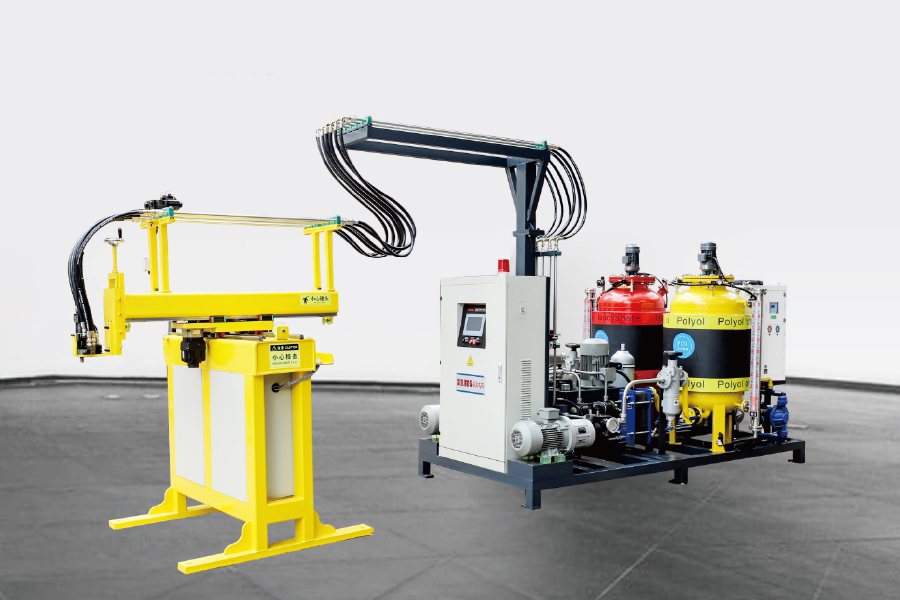
من خلال التحكم في محرك المؤازرة ، باستخدام معالج ثلاثي المحاور ، وبرمجة البرنامج ، والاندماج مع معدا...
انظر التفاصيل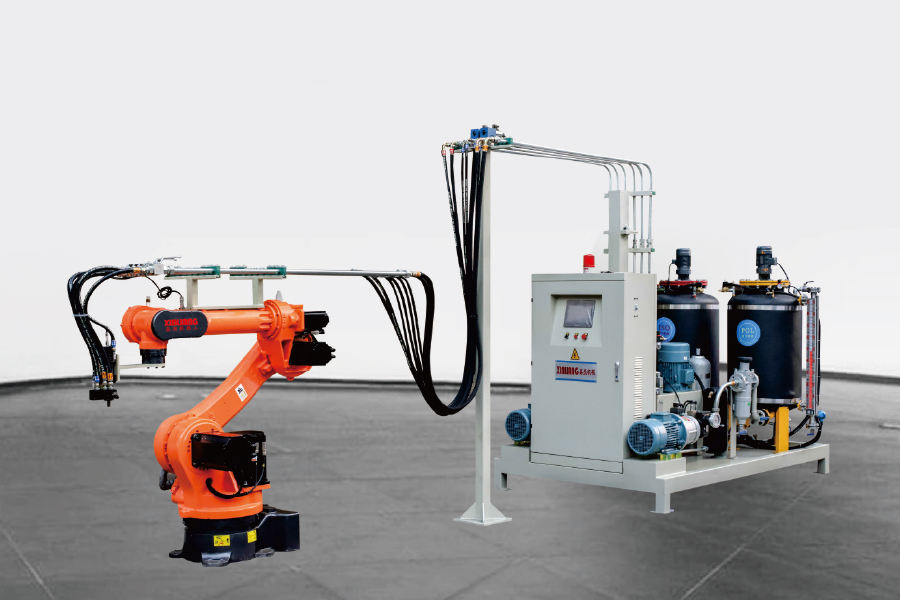
يمكن تخصيص العلامة التجارية الروبوت ، ويتم استخدام المعالج المكون من ستة محاور. إنه مناسب للجمع ب...
انظر التفاصيل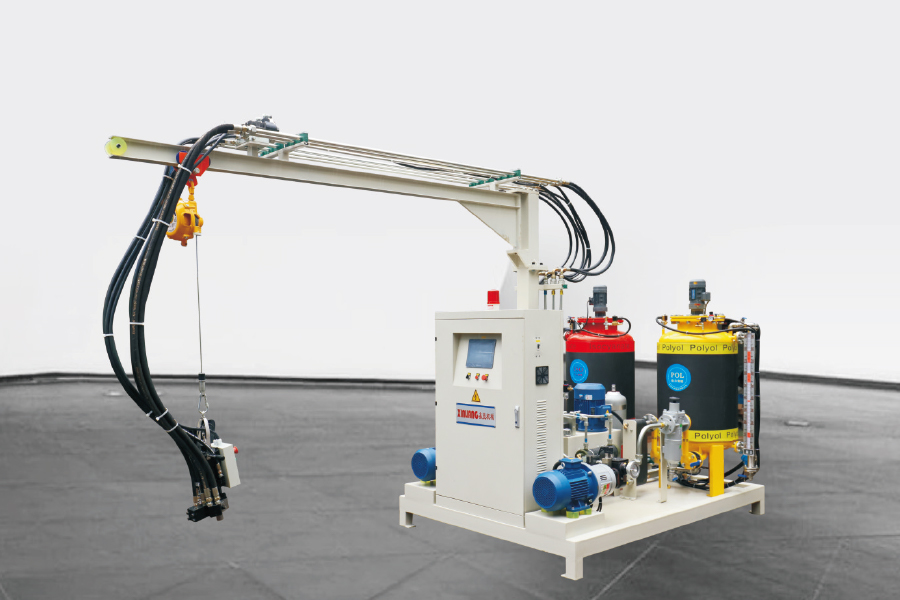
تستخدم آلة حقن البولي يوريثان عالية الضغط عالي الضغط ذراع الروك لحقن الدوران 180 درجة. يمكن تخصيص...
انظر التفاصيل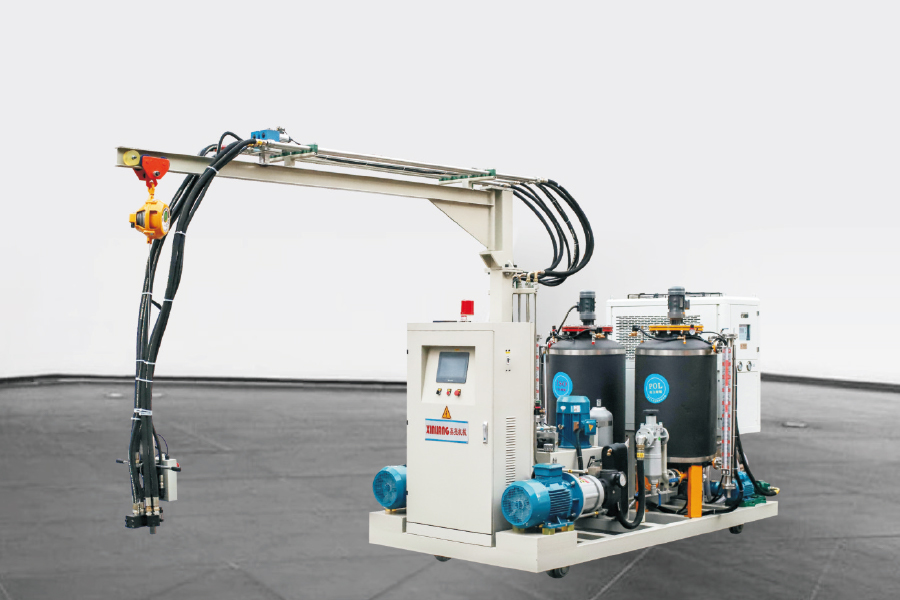
يحتوي آلة حقن الرغوة ذات الضغط العالي المكون من المكونات ذات المكون المكون مع المسار على نفس التك...
انظر التفاصيل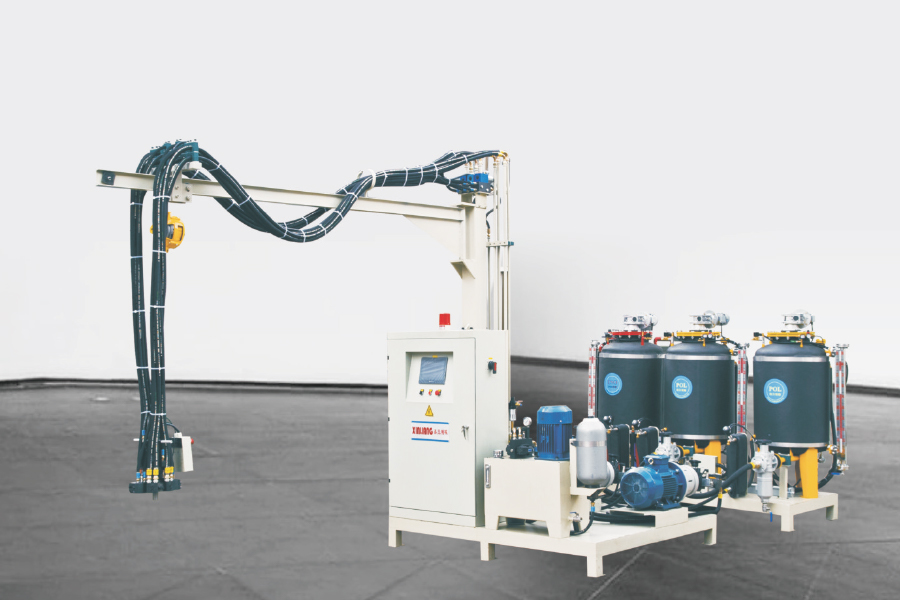
تحتوي آلة حقن الرغوة ذات الضغط العالي المكون من ثلاثة مكونات على خزان ISO 1 و 2 خزانات بولي. يمكن...
انظر التفاصيل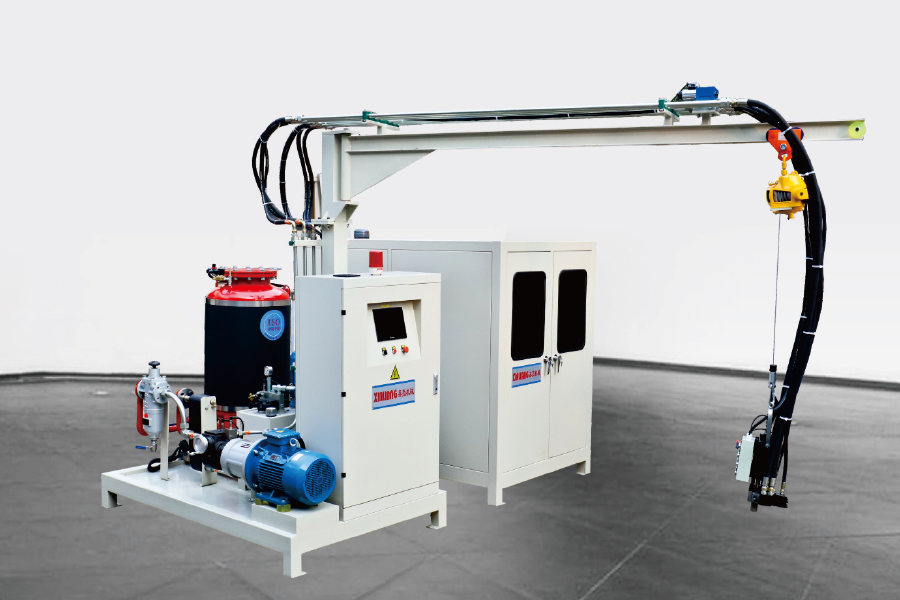
سيكلوبنتان البولي يوريثان ، آلة حقن الرغوة عالية الضغط يعني أن بولي يحتوي على السيكلوبنتان. المواد ا...
انظر التفاصيل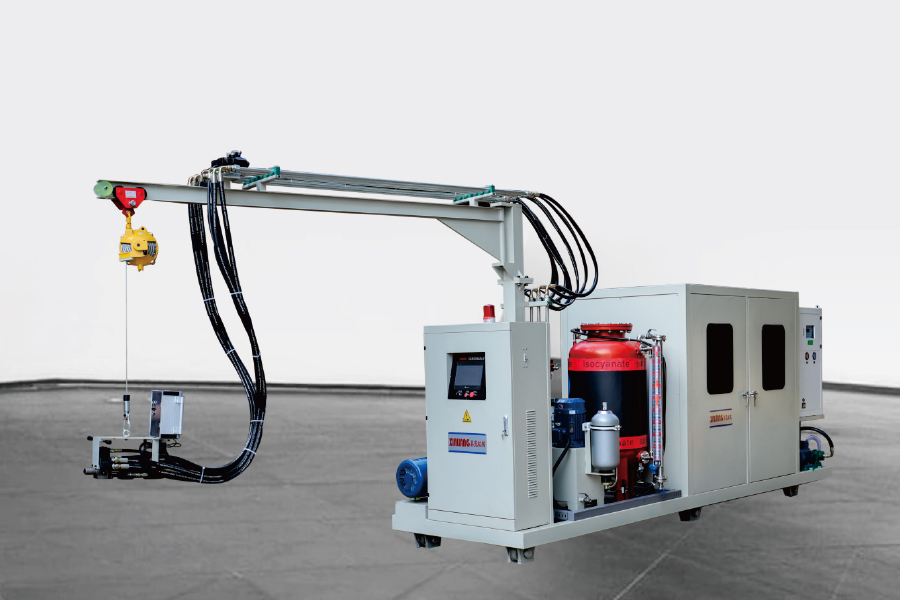
التكوين هو نفس آلة الرغوة ذات الضغط العالي السيكلوبنتان. الفرق الوحيد هو أنه بالنسبة لبعض مصانع العم...
انظر التفاصيل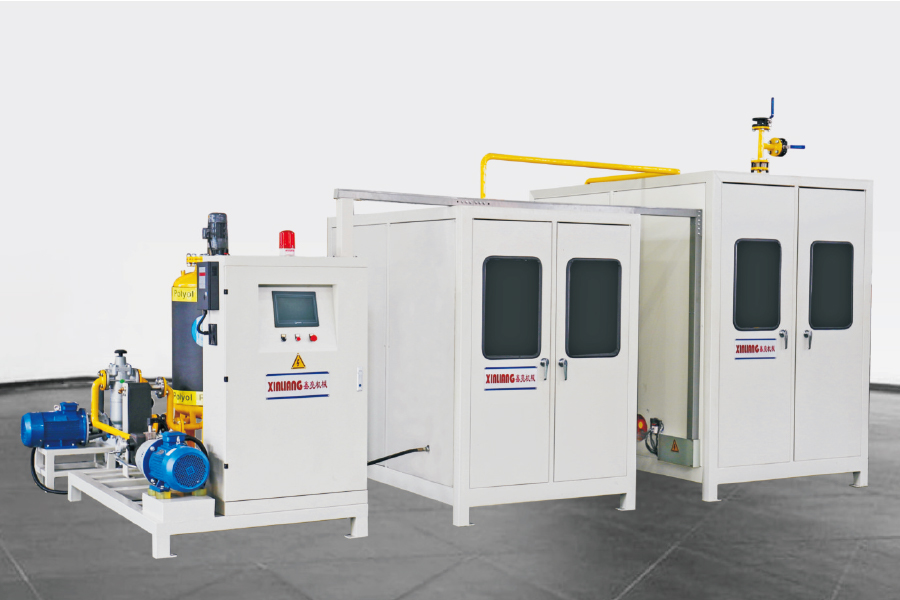
مبدأ العمل لنظام Cyclopentane Premixing قياس وخلط مختلف المواد الخام البولي يوريثان ، مثل الإيزوسيان...
انظر التفاصيل