

 English
 русский
 عربى
عربىتلتزم شركة شينليانغ للآلات دائمًا بفلسفة العمل "الإنسان أولاً، العميل أولاً، الإدارة النزيهة، والتعاون المربح للجميع".
من خلال التحكم في محرك المؤازرة ، باستخدام معالج ثلاثي المحاور ، وبرمجة البرنامج ، والاندماج مع معدا...
انظر التفاصيلإجابة سريعة
A آلة حقن رغوة البولي يوريثان ذات الضغط العالي يقلل من هدر المواد بنسبة تصل إلى 25% من خلال القياس الدقيق، والتحكم في النسبة في الوقت الفعلي، وأنظمة الخلط ذات الحلقة المغلقة التي تقضي على الصب الزائد، وعدم توازن الراتنج، والتباين اليدوي. تضمن الميزات الهندسية الرئيسية - بما في ذلك رؤوس خلط الاصطدام عالي الضغط، ومضخات الجرعات التي تعمل بمحرك مؤازر، ودورات التدفق الآلية - استخدام كل جرام من البوليول والإيزوسيانات بأقصى قدر من الكفاءة، مما يؤدي بشكل مباشر إلى خفض تكاليف المواد الخام وتحسين إنتاجية الإنتاج.
محتوى
في تصنيع رغوة البولي يوريثان، تمثل تكاليف المواد الخام - في المقام الأول البوليول وإيزوسيانات MDI/TDI - عادةً ما يتراوح بين 60 إلى 75% من إجمالي تكلفة الإنتاج. حتى التباين بنسبة 5% في نسبة الخلط أو الصب الزائد الطفيف في كل دورة يؤدي إلى تفاقم المشكلة بشكل كبير على نطاق واسع. يمكن للمنشأة التي تقوم بتشغيل 400 جرعة في كل نوبة عمل أن تهدر مئات الكيلوجرامات من المواد الكيميائية أسبوعيًا إذا كانت المعدات تفتقر إلى القياس الدقيق.
تعتمد أنظمة الرغوة التقليدية ذات الضغط المنخفض على التحريك الميكانيكي والمعايرة اليدوية - وكلاهما يقدم تباينًا يعتمد على المشغل. في المقابل حديث آلة حقن رغوة البولي يوريثان ذات الضغط العالي يزيل هذه المتغيرات من خلال أتمتة الحلقة المغلقة، مما يقلل من النفايات القابلة للقياس بنسبة 20-25% مقارنة بالمعدات التقليدية. هذه ليست مطالبة تسويقية. إنها نتيجة موثقة يتم الإبلاغ عنها باستمرار عبر خطوط إنتاج ألواح الثلاجة، وألواح العزل، ومقاعد السيارات.
مقارنة معدل هدر المواد حسب نوع المعدات
القدرة على الحد من النفايات من أ نظام آلة رغوة PU ذات الضغط العالي ليست نتيجة لميزة واحدة. إنه ينبثق من تفاعل أنظمة فرعية متعددة مصممة بدقة تعمل بالتنسيق. وفيما يلي الآليات الخمس الأكثر تأثيرا.
يعمل رأس خلط الاصطدام عند ضغط يتراوح من 100 إلى 200 بار، على تصادم تيارات البوليول والأيزوسيانات بسرعة عالية، مما يحقق خلطًا متجانسًا دون أدوات تقليب ميكانيكية. يقوم المكبس ذاتي التنظيف بتطهير المواد المتبقية بعد كل طلقة باستخدام الضغط الهيدروليكي أو الهوائي - مما يؤدي إلى التخلص من نفايات مذيبات التطهير الكيميائي تمامًا. تشير بيانات الصناعة إلى أن رؤوس التنظيف الذاتي وحدها تقلل من تكاليف التخلص من المذيبات والمواد الكيميائية المتبقية بنسبة 15-30% مقارنة بأنظمة الخلط في الوعاء المفتوح.
يعد انحراف النسبة بين البوليول والإيزوسيانات أحد الأسباب الرئيسية لعيوب الرغوة - وتمثل الأجزاء المعيبة 100% من نفايات المواد. متقدم معدات حقن رغوة البولي يوريثان يستخدم أجهزة قياس التدفق ومحولات الضغط في نظام PLC ذو حلقة مغلقة لمراقبة نسبة A/B وتصحيحها في الوقت الفعلي، عادةً في حدود تفاوت قدره ±1%. بالمقارنة مع أنظمة المضخات ذات التروس ذات النسبة الثابتة، فإن قياس الحلقة المغلقة يقلل من الطلقات غير ذات النسبة بنسبة تزيد عن 90%، مما يؤدي بشكل مباشر إلى قطع النفايات المرتبطة بالعيوب.
ان آلة الرغوة الأوتوماتيكية ذات الضغط العالي مجهزة بمضخات مكبسية تعمل بمحرك مؤازر يمكنها تحقيق دقة حجم اللقطة بنسبة ± 0.5-1.0٪. بالمقارنة، تظهر مضخات التروس الهيدروليكية التقليدية تباينًا يتراوح بين ±3-5%. من خلال عملية إنتاج مكونة من 10000 قطعة - نموذجية لخط لوحة باب الثلاجة - فإن الفرق في الدقة بنسبة 3 إلى 4% يترجم مباشرة إلى وفورات في المواد يمكن قياسها. تسمح الأنظمة المؤازرة أيضًا بملفات تعريف لقطة متعددة المراحل قابلة للبرمجة، مما يتيح تحسين التعبئة لأشكال هندسية معقدة للقالب دون الإفراط في التجربة والخطأ.
تعمل تغيرات اللزوجة الناتجة عن تقلبات درجة الحرارة على تغيير سلوك التدفق ووزن الطلقة الفعال - حتى عندما تظل سرعة المضخة ثابتة. تحافظ آلات خلط رغوة البولي يوريثان الصناعية المزودة بخزانات تخزين مغلفة يمكن التحكم في درجة حرارتها (عادةً تنظيم ± 0.5 درجة مئوية) على لزوجة كيميائية ثابتة طوال فترة تحول الإنتاج. يؤدي هذا إلى التخلص من مشكلة "البدء البارد" التي تظهر في الأنظمة غير المنظمة، حيث تتطلب أول 50-100 طلقة في اليوم تعديلًا يدويًا وتوليد أجزاء معيبة أو مملوءة بشكل زائد.
تدمج معدات إنتاج الرغوة العازلة PU الحديثة التحكم في HMI القائم على الوصفة، مما يؤدي إلى تخزين المئات من تركيبات المنتج مع المعلمات المقفلة بواسطة المشغل. عند التبديل بين المنتجات، تقوم الماكينة تلقائيًا بضبط النسب والضغوط وأوزان الطلقات ودرجات الحرارة - مما يلغي إعادة المعايرة اليدوية التي تهدر عادةً 20-40 كجم من المواد الكيميائية لكل تغيير في الأنظمة التي يتم تشغيلها يدويًا. تتيح إمكانية التتبع الرقمي أيضًا إجراء تحليل ما بعد الإنتاج لتحديد أنماط النفايات المتكررة وتحسين المعلمات بمرور الوقت.
لفهم ما يعنيه تقليل نفايات المواد بنسبة 25% من الناحية العملية، فكر في منشأة إنتاج ألواح عزل PU متوسطة الحجم تستهلك 5000 كجم من البوليول والإيزوسيانات المجمعة يوميًا بتكلفة مواد خام ممزوجة تبلغ حوالي 2.50 دولارًا أمريكيًا/كجم. ويوضح الجدول التالي الأثر التشغيلي والمالي:
| متري | قبل (النظام القديم) | بعد (نظام HP التلقائي) | تحسين |
|---|---|---|---|
| المواد المستهلكة يوميا | 5000 كجم | 5000 كجم | — |
| معدل النفايات المقدر | ~18% | ~5% | −72% معدل النفايات |
| المواد المهدرة/اليوم | 900 كجم | 250 كجم | −650 كجم / يوم |
| تم حفظ تكلفة المواد اليومية | — | — | ~1,625 دولارًا في اليوم |
| انnual Savings (250 days) | — | — | ~ 406.000 دولار |
| معدل الخلل (لقطات خارج النسبة) | ~4–6% | <0.5% | -90% عيوب |
مكاسب الكفاءة معدات إنتاج الرغوة العازلة PU يكون العمل تحت ضغط مرتفع أكثر وضوحًا في التطبيقات التي تكون فيها الكثافة المتسقة ودقة الأبعاد ونسب المواد معلمات جودة غير قابلة للتفاوض.
يتطلب عزل جدار الخزانة كثافة رغوة دقيقة وبنية خلية موحدة عبر الكميات اليومية الكبيرة. تضمن أنظمة الضغط العالي أداءً حراريًا ثابتًا مع تقليل السكب الزائد بنسبة تصل إلى 20% لكل وحدة.
تستخدم خطوط الألواح العازلة المستمرة أو المتقطعة رغوة آلية عالية الضغط للحفاظ على أوزان الصب الدقيقة عبر أطوال الألواح المتعددة الأمتار، مما يؤدي إلى القضاء على فراغات الحواف والملء الزائد في وقت واحد.
تتطلب الأشكال الهندسية المعقدة لإسفنجة المقعد حقنًا متعدد المكونات وفي الوقت المناسب بدقة. تعمل آلات الضغط العالي التي تعمل بمحرك مؤازر مع ملفات تعريف طلقة قابلة للبرمجة على تقليل هدر القطع ورفض الأجزاء في بيئات إنتاج OEM كثيرة المتطلبات.
تتطلب رغوة عزل الخزانات والقنوات ارتفاعًا متحكمًا في الرغوة وتحملًا محكمًا. تضمن معدات الضغط العالي الأوتوماتيكية المزودة بقوالب مثبتة على الرقصة تعبئة متكررة دون تدخل يدوي بين الدورات.
يتطلب العمل باستخدام عوامل نفخ السيكلوبنتان القابلة للاشتعال معدات محكمة الغلق بالكامل ومقاومة للانفجار. تعتبر الأنظمة المغلقة ذات الضغط العالي مع ضوابط مصنفة للسلامة هي النهج العملي الوحيد لإنتاج رغوة البولي يوريثان الحلقي المتوافق.
تستفيد تطبيقات العزل بالرش أو الصب في المكان من المخرجات المقاسة بدقة، مما يضمن تحقيق أهداف التغطية دون إعادة تطبيق مكلفة أو تطبيق مواد مفرطة تتجاوز المواصفات.
لا توفر جميع آلات الضغط العالي نفس المستوى من التحكم في العمليات. عند تقييم أ آلة خلط رغوة البولي يوريثان الصناعية بالنسبة لكفاءة المواد، فإن المعلمات التقنية التالية هي الأكثر ملاءمة للمقارنة:
| المعلمة | النطاق القياسي | لماذا يهم الحد من النفايات |
|---|---|---|
| دقة نسبة الإخراج | ±0.5–1.5% | نسبة أكثر إحكامًا = عدد أقل من الأجزاء المعيبة خارج النسبة = كمية أقل من المواد المهدرة لكل نوبة عمل |
| ضغط التشغيل | 100-200 بار | يضمن الضغط العالي خلط الاصطدام الكامل بدون نفايات تطهير المذيبات |
| تكرار الوزن بالرصاص | ±0.5-2% | يمنع وزن اللقطة الثابت تراكم الصب الزائد عبر عمليات التشغيل ذات الحجم الكبير |
| تنظيم درجة الحرارة | ± 0.5 درجة مئوية | تضمن اللزوجة المستقرة تدفقًا يمكن التنبؤ به وتزيل نفايات ضبط البداية الباردة |
| خلط نوع تطهير الرأس | مكبس التنظيف الذاتي | يمنع استخدام المذيبات للتنظيف، ويقلل من النفايات الكيميائية وانبعاثات المركبات العضوية المتطايرة |
| سعة تخزين الوصفة | 50-500 برنامج | تغيير سريع ودقيق للمنتج دون إعادة المعايرة اليدوية التي تؤدي إلى إهدار المواد |
| نطاق تدفق الإخراج | 100-800 جرام/ثانية | يتوافق الإخراج القابل للتعديل مع متطلبات القالب دون وجود مواد زائدة في كل دورة |
دقة النسبة مقابل اتجاه معدل الخلل
تعتبر قدرة المعدات هي الأساس، ولكن الانضباط التشغيلي يفتح المجال بالكامل لإمكانية تقليل النفايات بنسبة 25%. وينبغي وضع الممارسات التالية إلى جانب أي جديد آلة الرغوة الأوتوماتيكية ذات الضغط العالي التثبيت:
Ningbo Xinliang Machinery Co., Ltd. هي مؤسسة تجمع بين الصناعة والتجارة، وهي مكرسة لإنتاج معدات رغوة البولي يوريثان، وخطوط إنتاج رغوة البولي يوريثان، والمعدات الكاملة لرغوة البولي يوريثان الحلقي. الشركة هي مؤسسة محترفة ذات تقنية عالية متخصصة في البحث والتطوير في معدات رغوة البولي يوريثان والتصنيع والخدمات الفنية.
مع أكثر من عشر سنوات من الخبرة المهنية في التصميم، فإن فريق البحث والتطوير على دراية عميقة بتكنولوجيا معدات رغوة البولي يوريثان المتقدمة محليًا ودوليًا. كمحترف مورد آلة حقن الرغوة ذات الضغط العالي من مادة البولي يوريثين المخصصة والشركة المصنعة للمعدات الأصلية، تستفيد Ningbo Xinliang من الأساس الصناعي القوي لـ Zhejiang ومزايا الموقع الاستراتيجي لمتابعة مسار تطوير الابتكار والتخصص العلمي والتكنولوجي.
تركز الشركة على توفير حلول مخصصة للمستخدمين عبر صناعة البولي يوريثان - بدءًا من آلات الرغوة عالية الضغط ذات المحطة الواحدة لإنتاج الدفعات الصغيرة إلى خطوط إنتاج الرغوة العازلة PU المؤتمتة بالكامل التي تخدم الشركات المصنعة على نطاق واسع. يتم تصميم كل نظام وفقًا لمتطلبات العميل الخاصة بالمواد والإنتاجية والجودة.
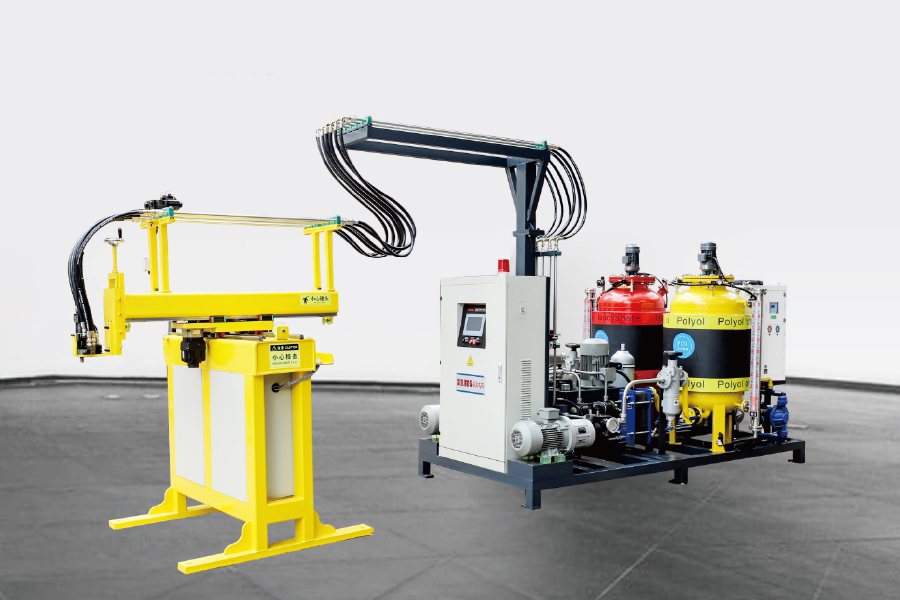
من خلال التحكم في محرك المؤازرة ، باستخدام معالج ثلاثي المحاور ، وبرمجة البرنامج ، والاندماج مع معدا...
انظر التفاصيل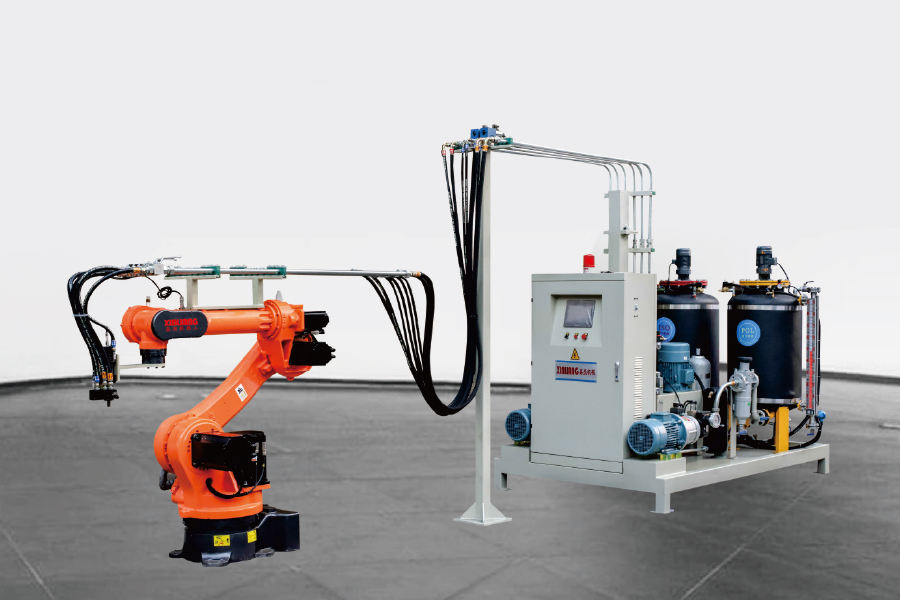
يمكن تخصيص العلامة التجارية الروبوت ، ويتم استخدام المعالج المكون من ستة محاور. إنه مناسب للجمع ب...
انظر التفاصيل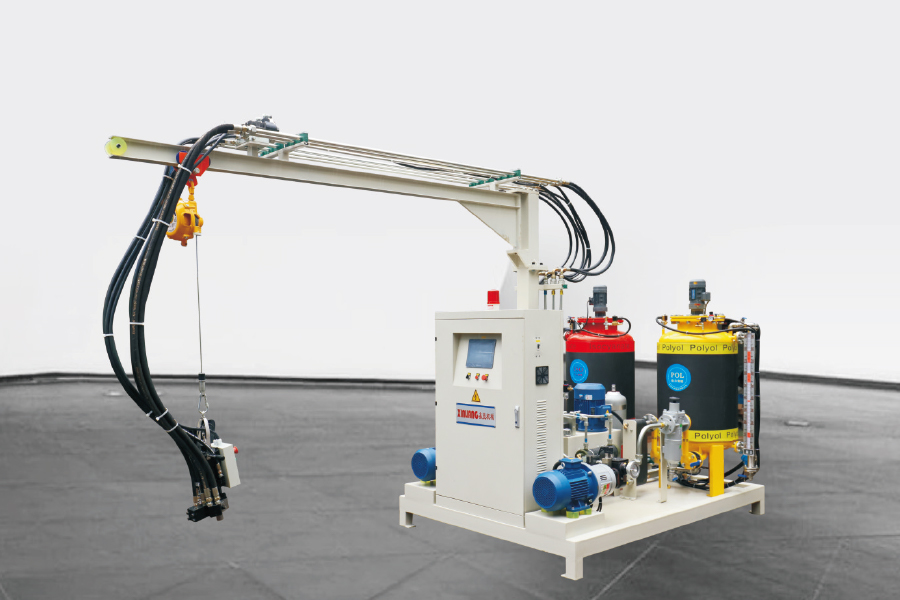
تستخدم آلة حقن البولي يوريثان عالية الضغط عالي الضغط ذراع الروك لحقن الدوران 180 درجة. يمكن تخصيص...
انظر التفاصيل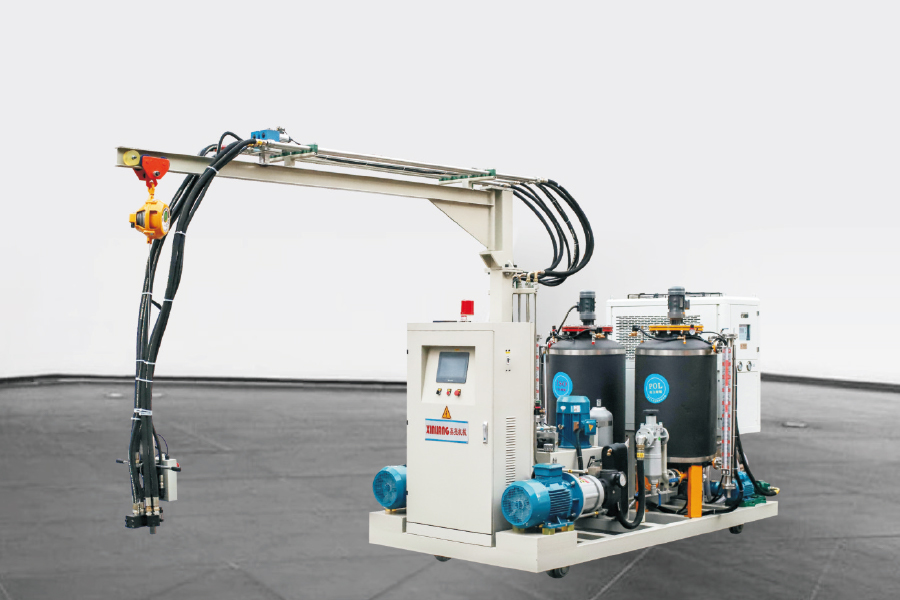
يحتوي آلة حقن الرغوة ذات الضغط العالي المكون من المكونات ذات المكون المكون مع المسار على نفس التك...
انظر التفاصيل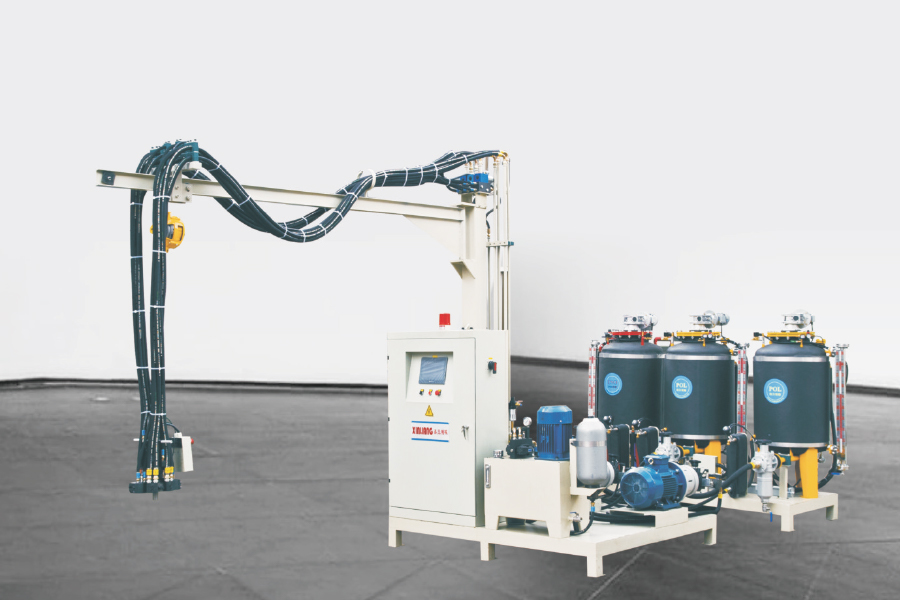
تحتوي آلة حقن الرغوة ذات الضغط العالي المكون من ثلاثة مكونات على خزان ISO 1 و 2 خزانات بولي. يمكن...
انظر التفاصيل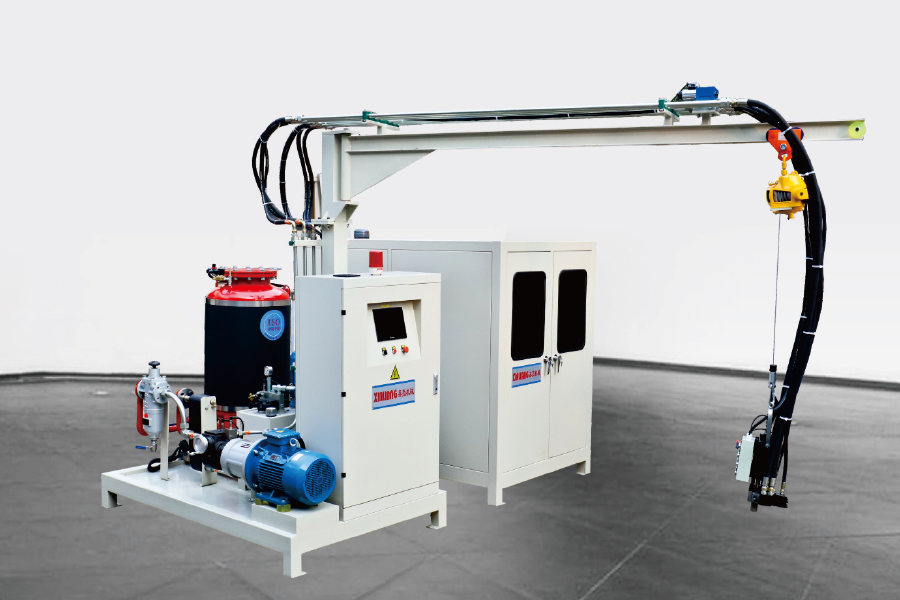
سيكلوبنتان البولي يوريثان ، آلة حقن الرغوة عالية الضغط يعني أن بولي يحتوي على السيكلوبنتان. المواد ا...
انظر التفاصيل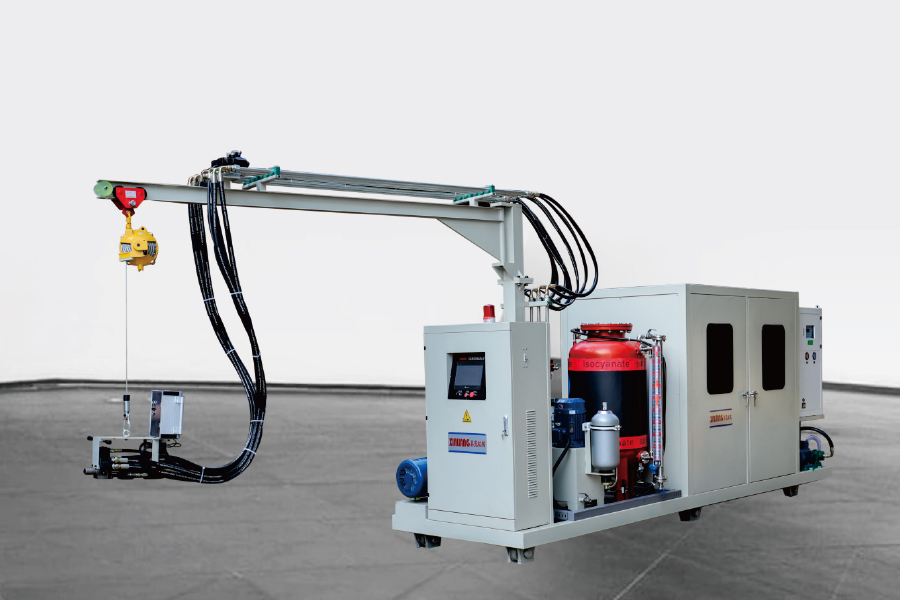
التكوين هو نفس آلة الرغوة ذات الضغط العالي السيكلوبنتان. الفرق الوحيد هو أنه بالنسبة لبعض مصانع العم...
انظر التفاصيل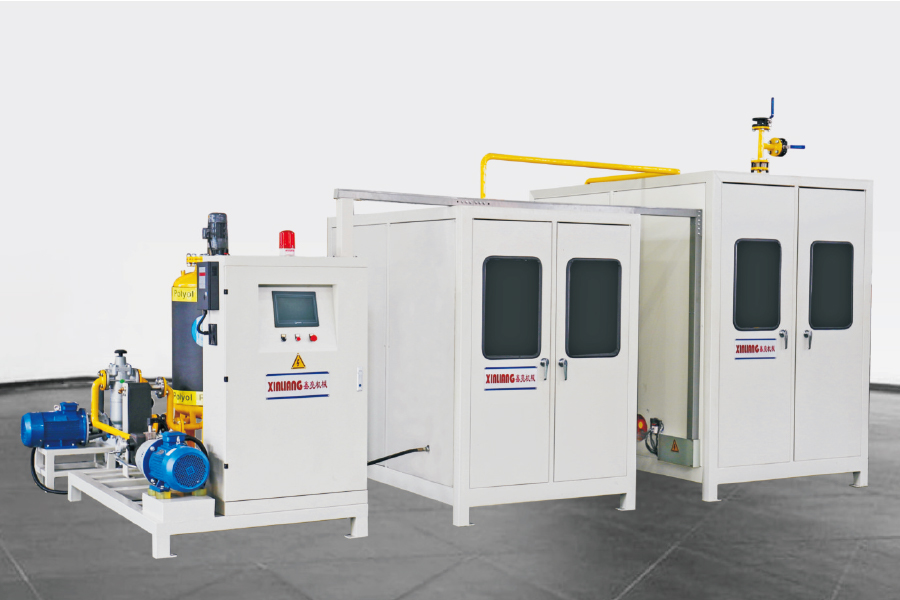
مبدأ العمل لنظام Cyclopentane Premixing قياس وخلط مختلف المواد الخام البولي يوريثان ، مثل الإيزوسيان...
انظر التفاصيل