

 English
 русский
 عربى
عربىتلتزم شركة شينليانغ للآلات دائمًا بفلسفة العمل "الإنسان أولاً، العميل أولاً، الإدارة النزيهة، والتعاون المربح للجميع".
من خلال التحكم في محرك المؤازرة ، باستخدام معالج ثلاثي المحاور ، وبرمجة البرنامج ، والاندماج مع معدا...
انظر التفاصيلصب حقن الرغوة هي عملية تصنيع يتم فيها إدخال عامل نفخ - كيميائي أو فيزيائي - في مادة بوليمر مصهورة داخل آلة قولبة بالحقن، مما يؤدي إلى تمدد المادة وتشكيل بنية داخلية خلوية تشبه الرغوة أثناء ملء تجويف القالب. والنتيجة هي جزء خفيف الوزن أو صلب أو مرن بطبقة خارجية كثيفة وقلب رغوي مسامي. يوفر هذا الهيكل نسبة قوة إلى وزن ممتازة، وخصائص عزل حراري، واستهلاكًا منخفضًا للمواد مقارنةً بالأجزاء الصلبة المصبوبة بالحقن.
في الممارسة الصناعية، يتم تنفيذ صب حقن الرغوة على تخصيص ماكينات قولبة حقن الرغوة أو آلات حقن قياسية مُكيَّفة مزودة برؤوس خلط متخصصة وأنظمة للتحكم في الضغط. يتم تطبيق هذه التقنية على نطاق واسع في التصميمات الداخلية للسيارات والتعبئة والأثاث وعزل الأجهزة ومكونات البناء. يعد فهم العملية بعمق - بدءًا من الكيمياء وحتى تكوين الماكينة - أمرًا ضروريًا للمهندسين وفرق المشتريات والمصنعين الذين يسعون إلى تحسين كفاءة الإنتاج وأداء الأجزاء.
Ningbo Xinliang Machinery Co., Ltd. هي مؤسسة محترفة تتمتع بأكثر من عشر سنوات من الخبرة في مجال البحث والتطوير في معدات رغوة البولي يوريثان. باعتبارها موثوقة الشركة المصنعة لآلة حقن الرغوة , مصنع ماكينات حقن الرغوة ، و مورد آلة حقن الرغوة ، توفر الشركة حلولاً شاملة لخطوط الإنتاج المخصصة وتصنيع المعدات الأصلية للعملاء في جميع أنحاء العالم.
محتوى
في جوهرها، تستغل قوالب حقن الرغوة فيزياء نواة الغاز داخل مصفوفة بوليمر تحت ظروف ضغط ودرجة حرارة يمكن التحكم فيها. عندما يتم خلط عامل النفخ مع البوليمر المنصهر تحت ضغط عالٍ داخل البرميل أو رأس الخلط، فإنه يظل مذابًا. في اللحظة التي تدخل فيها المادة تجويف القالب ذو الضغط المنخفض، يتنوى الغاز بسرعة، ويشكل ملايين الخلايا الدقيقة في جميع أنحاء الذوبان. تتصلب الطبقات الخارجية للصهارة، التي تلامس جدار القالب البارد، بسرعة قبل حدوث رغوة كبيرة - مما يؤدي إلى تكوين الجلد الخارجي الكثيف المميز.
يتم استخدام عائلتين من عوامل النفخ تجاريًا. عوامل النفخ الكيميائية (CBA) تتحلل عند درجات حرارة المعالجة لإطلاق الغاز (عادةً CO₂ أو N₂). فهي سهلة التعامل، ويمكن إضافتها كأصبغة رئيسية، وتعمل في آلات الحقن القياسية بأقل قدر من التعديل. عوامل النفخ الفيزيائية (PBAs) — الأكثر شيوعًا النيتروجين أو ثاني أكسيد الكربون في شكل فوق حرج، أو السيكلوبنتين لأنظمة البولي يوريثين — يتم حقنها مباشرة في ذوبان البوليمر تحت الضغط. تنتج PBAs هياكل خلوية أكثر دقة وأكثر اتساقًا ولا تترك أي بقايا تحلل كيميائي في الجزء، مما يجعلها مفضلة للتطبيقات الصعبة مثل صب حقن رغوة السيارات ومنتجات العزل عالية الأداء.
يختلف حقن رغوة البولي يوريثان (PU) عن صب الرغوة البلاستيكية الحرارية. بدلاً من صهر اللدائن الحرارية وحقن عامل نفخ، يتم إنتاج رغوة البولي يوريثان بواسطة نظام تفاعلي مكون من مكونين: يتم خلط الأيزوسيانات (المكون أ) ومزيج البوليول (المكون ب) عند رأس الحقن. يولد التفاعل الكيميائي ثاني أكسيد الكربون كمنتج ثانوي، والذي يعمل كعامل نفخ. يتم حقن الخليط في قالب مغلق حيث يتمدد ويتماسك في نفس الوقت. هذا هو أساس خط إنتاج ماكينة حقن الرغوة التكنولوجيا التي تتخصص فيها شركة Ningbo Xinliang Machinery - التي تجمع بين القياس الدقيق، وخلط الضغط العالي، وإدارة القالب في حل إنتاج متكامل.
تتبع عملية قولبة حقن الرغوة تسلسلًا محكمًا بدءًا من تخزين المواد الخام وحتى الخلط التفاعلي وحقن القالب والمعالجة والقولبة النهائية. يجب إدارة كل مرحلة بدقة - تؤثر دقة القياس عند رأس الخلط بشكل مباشر على كثافة الرغوة وتجانس الخلايا، بينما تحدد درجة حرارة القالب ووقت المعالجة استقرار الأبعاد وجودة السطح. مصممة بشكل جيد خط إنتاج ماكينة حقن الرغوة يدمج كل هذه المراحل مع الأتمتة للحفاظ على جودة متسقة عبر عمليات التشغيل كبيرة الحجم.
إن قولبة حقن الرغوة ليست عملية واحدة ولكنها مجموعة من التقنيات ذات الصلة، كل منها مصمم خصيصًا لأنظمة مواد محددة، وهندسة الأجزاء، ومتطلبات الأداء. يعد اختيار متغير العملية الصحيح قرارًا بالغ الأهمية يؤثر على مواصفات المعدات، وتصميم الأدوات، واقتصاديات الإنتاج.
| عملية | نظام المواد | تخفيض الكثافة | جودة السطح | التطبيقات الرئيسية |
|---|---|---|---|---|
| صب الرغوة الهيكلية | PP، PE، ABS CBA | 10-20% | معتدل (علامات الدوامة) | المنصات، العبوات |
| MuCell / الخلايا الدقيقة | معظم اللدائن الحرارية SCF | 5-15% | جيد | تقليم السيارات والإلكترونيات |
| حقن الرغوة التفاعلية PU | إيزوسيانات بوليول | 30-80% | ممتاز (في القالب) | العزل، والجلوس، والسيارات |
| رغوة مساعدة الغاز | اللدائن الحرارية N₂ | 8-18% | جيد جدًا | الأجزاء الهيكلية ذات الجدران السميكة |
يستخدم صب الرغوة الهيكلية عوامل النفخ الكيميائية المركبة في كريات اللدائن الحرارية. تسمح تقنية اللقطة القصيرة - حقن مادة أقل من حجم القالب الكامل - لضغط الرغوة بإكمال ملء القالب. تُظهر الأجزاء عادةً نمط سطح دوامي مميز، وهو مقبول للتطبيقات غير التجميلية مثل المنصات الصناعية، ومبيتات المعدات، والألواح الهيكلية الكبيرة. تخفيضات الوزن 10-20% يمكن تحقيقها مع الحفاظ على الصلابة، حيث أن قلب الرغوة يزيد بشكل فعال من العزم الثاني لمساحة الجزء.
يوفر حقن رغوة البولي يوريثان، الذي يتم تكوينه غالبًا كقولبة حقن التفاعل (RIM)، أكبر نطاق من كثافات الرغوة - بدءًا من الرغوة المرنة ذات الخلايا المفتوحة بـ 20 كجم/م3 إلى الرغوة الهيكلية الصلبة بـ 300 كجم/م3. هذا التنوع هو سبب استخدام حقن رغوة البولي يوريثان على نطاق واسع في الصناعات. المعدات - كاملة خط إنتاج ماكينة حقن الرغوة - يجب قياس مكونين متفاعلين بدقة، وخلطهما بالمللي ثانية، وحقن المزيج في قالب يمكن التحكم في درجة حرارته قبل بدء التفاعل. تتراوح أوقات دورة أجزاء رغوة البولي يوريثان عادة من 3 إلى 15 دقيقة حسب سمك الجزء والكيمياء.
تخدم قوالب حقن الرغوة نطاقًا واسعًا من الصناعات، ولكل منها متطلبات أداء مميزة وتفضيلات المواد وأحجام الإنتاج. يعد فهم سياق التطبيق المحدد أمرًا ضروريًا لاختيار الحق ماكينة قولبة حقن الرغوة التكوين وتخطيط خط الإنتاج.
السيارات هي أكبر مستهلك منفرد للمنتجات المقولبة بالحقن الرغوي، وهو ما يمثل حوالي 32% من إجمالي الطلب في السوق. ويعكس هذا الاستخدام الواسع النطاق لرغوة البولي يوريثان في وسائد المقاعد ومساند الرأس وإدخالات لوحة الأبواب ومكونات لوحة القيادة وعناصر تخفيف الضوضاء. تمثل تطبيقات البناء والعزل ثاني أكبر قطاع، مدفوعة بالطلب العالمي على ألواح الجدران الموفرة للطاقة، وعزل الثلاجة، وأنظمة عزل الأنابيب - وكلها يتم إنتاجها باستخدام خط إنتاج ماكينة حقن الرغوةs .
ينطبق قطاع السيارات صب حقن رغوة السيارات على نطاق واسع عبر التطبيقات الداخلية وتطبيقات NVH (الضوضاء والاهتزاز والخشونة). تعد رغوة المقعد التي يتم إنتاجها عن طريق الحقن التفاعلي للـ PU واحدة من أكثر التطبيقات كثيفة الحجم: تحتوي مركبة الركاب الواحدة على ما يقرب من 8-12 كجم من رغوة PU المصبوبة في جميع أوضاع الجلوس. تعتبر عمليات رغوة لوحة العدادات في مكانها، ومقويات بطانة السقف، وبطانات أقواس العجلات، والحواجز الصوتية من تطبيقات السيارات الأخرى حيث تكون آلات حقن الرغوة الدقيقة ضرورية.
A ماكينة حقن الرغوة للتغليف تم تكوينها لإنتاج حشوات رغوية واقية ذات أشكال مخصصة، وكتل زاوية، وأغطية طرفية، وأنظمة توسيد للإلكترونيات، والأجهزة الطبية، والمعدات الصناعية، والسلع الاستهلاكية. تعد EPS (البوليسترين الممدد) وEPE (البولي إيثيلين الممدد) من المواد السائدة في رغوة التعبئة والتغليف، ولكن إدراجات رغوة البولي يوريثان الصلبة شائعة أيضًا في العبوات المتميزة التي تتطلب تحكمًا دقيقًا في الأبعاد. الشرط الرئيسي للمعدات هو أوقات الدورات القصيرة بالإضافة إلى القدرة على التغيير السريع للقالب لاستيعاب مجموعة كبيرة ومتنوعة من هندسة التغليف في سلاسل التوريد الحديثة.
كامل ماكينة حقن الرغوة خط الإنتاج هو أكثر من مجرد آلة واحدة - إنه نظام متكامل من وحدات المعدات المترابطة، كل منها تؤدي وظيفة محددة. يساعد فهم المكونات فرق المشتريات والمهندسين على تحديد النظام المناسب لحجم الإنتاج ومزيج المنتجات.
تختلف إنتاجية الإنتاج بشكل كبير اعتمادًا على مستوى الأتمتة وتكوين التعامل مع القالب الذي تم اختياره لـ خط إنتاج ماكينة حقن الرغوة . قد يحقق إعداد القالب المفرد الذي يتم تشغيله يدويًا ما بين 6 إلى 10 لقطات فقط في الساعة بسبب وقت دورة المشغل والتأخير في إعداد القالب. يعمل نظام التيار المتناوب المكون من محطتين على مضاعفة الخرج تقريبًا من خلال السماح لقالب واحد بالشفاء أثناء ملء الآخر. يمكن لنظام القرص الدوار الآلي بالكامل مع 4-8 مواضع للقالب تحقيق 30-40 طلقة في الساعة، مما يجعله التكوين المفضل لإنتاج رغوة السيارات والأثاث بكميات كبيرة.
تتنافس قوالب حقن الرغوة مع العديد من أساليب التصنيع البديلة للأجزاء خفيفة الوزن أو العازلة أو المبطنة - بما في ذلك قولبة الحقن التقليدية، والتشكيل الحراري، وتصنيع الرغوة المقطوعة والروابط، وتحويل رغوة الألواح. في العديد من السيناريوهات، توفر قوالب حقن الرغوة مجموعة رائعة من المزايا التي لا يمكن لهذه البدائل مطابقتها في وقت واحد.
يعرض المخطط الراداري قوالب حقن الرغوة عبر خمسة أبعاد مهمة لقدرات التصنيع. حرية الهندسة أعلى الدرجات - يمكن إنتاج القطع السفلية المعقدة، ومقاطع الجدران المتغيرة، والإدخالات المتكاملة في دورة قالب واحدة تتطلب عمليات متعددة باستخدام طرق القطع والربط أو الألواح. تخفيض الوزن و الكفاءة المادية كلاهما يسجلان نتائج قوية، مما يعكس انخفاض الكثافة المتأصلة في بنية الرغوة وعملية القالب المغلق التي تقضي على نفايات المواد النموذجية في طرق الصب المفتوح أو التشكيل الحراري. تشرح هذه القدرات مجتمعة سبب تحديد قوالب حقن الرغوة للتطبيقات ذات الأداء الحيوي في قطاعات السيارات والأجهزة والصناعة.
بالنسبة للمصنعين الذين يسعون إلى إنشاء أو ترقية القدرة على إنتاج الرغوة، العمل مع ذوي الخبرة الشركة المصنعة لآلة حقن الرغوة قادرة على تقديم كاملة خطوط إنتاج حقن الرغوة OEM يعد أكثر كفاءة بكثير من تجميع المكونات الفردية من بائعين متعددين. يقوم المورد أحادي المصدر بدمج النظام بأكمله — التخزين، والقياس، والخلط، ومعالجة القالب، وعناصر التحكم — مما يضمن التوافق ويوفر نقطة واحدة للمساءلة عن الأداء.
تقدم Ningbo Xinliang Machinery Co., Ltd. خدمات شاملة آلة حقن الرغوة المخصصة الحلول التي تم تطويرها من خلال التشاور مع متطلبات الإنتاج المحددة للعميل. تبدأ العملية بتحليل أنواع منتجات البولي يوريثين الخاصة بالعميل، وحجم الإنتاج المستهدف، والمساحة الأرضية المتاحة، وموارد العمل، وسلسلة توريد المواد الخام. ومن هذا التحليل، يقوم الفريق الهندسي بتطوير حل حصري مخصص لإنتاج منتجات البولي يوريثين - اختيار نماذج الماكينات المناسبة، وتكوينات إطار القالب، ومستوى الأتمتة، والمعدات المساعدة.
عند المصادر معدات حقن الرغوة بالجملة أو إشراك مصنع لتوريد خط إنتاج OEM، يجب أن يغطي التقييم هذه الأبعاد الرئيسية:
أظهر السوق العالمي لمعدات رغوة البولي يوريثان زخم نمو قوي خلال الفترة 2018-2024، ولم يتوقف إلا لفترة وجيزة بسبب اضطرابات سلسلة التوريد في عام 2020. وكان التعافي من هذا الانخفاض سريعًا وقويًا، مدفوعًا بنشاط البناء بعد الوباء، واعتماد السيارات الكهربائية، مما أدى إلى تسريع الطلب على مكونات الرغوة خفيفة الوزن، وتوسيع لوجستيات سلسلة التبريد التي تتطلب تعبئة معزولة. ل ماكينة حقن الرغوة Factories و suppliers, this trend represents a sustained period of elevated demand for both new production line installations and equipment upgrades — particularly in Asia-Pacific markets where manufacturing capacity expansion has been most aggressive.
Ningbo Xinliang Machinery Co., Ltd. هي مؤسسة تجمع بين الصناعة والتجارة، وهي مكرسة لإنتاج معدات رغوة البولي يوريثان، وخطوط إنتاج رغوة البولي يوريثان، والمعدات الكاملة لرغوة البولي يوريثان الحلقي. باعتبارها مؤسسة محترفة ذات تقنية عالية، فإن الشركة متخصصة في البحث والتطوير في مجال معدات رغوة البولي يوريثان، والتصنيع، والخدمات التقنية، مع أكثر من عشر سنوات من الخبرة في التصميم الاحترافي بين موظفي البحث والتطوير لديها.
بالاعتماد على الأساس الصناعي القوي لمقاطعة تشجيانغ والموقع الجغرافي المفيد، تنتهج نينغبو شين ليانغ مسار تنمية "الابتكار العلمي والتكنولوجي والسعي إلى التخصص". كمحترف آلة حقن الرغوة المخصصة المورد و خط إنتاج حقن الرغوة OEM الشركة، توفر المنظمة حلولاً مخصصة للمستخدمين عبر صناعة البولي يوريثين - بدءًا من تحليل قدرة الإنتاج الأولية وحتى تسليم المعدات والتركيب والتشغيل والدعم الفني المستمر.
إن فريق البحث والتطوير بالشركة على دراية بتكنولوجيا معدات رغوة البولي يوريثان المتقدمة من المصادر المحلية والدولية، مما يمكنها من تقديم أنظمة تلبي معايير الإنتاج الحديثة من حيث الكفاءة والدقة والمرونة وسلامة المشغل. إن العملاء من جميع القطاعات مدعوون بشدة لزيارة المنشأة ومناقشة متطلباتهم المحددة لإنتاج البولي يوريثان.
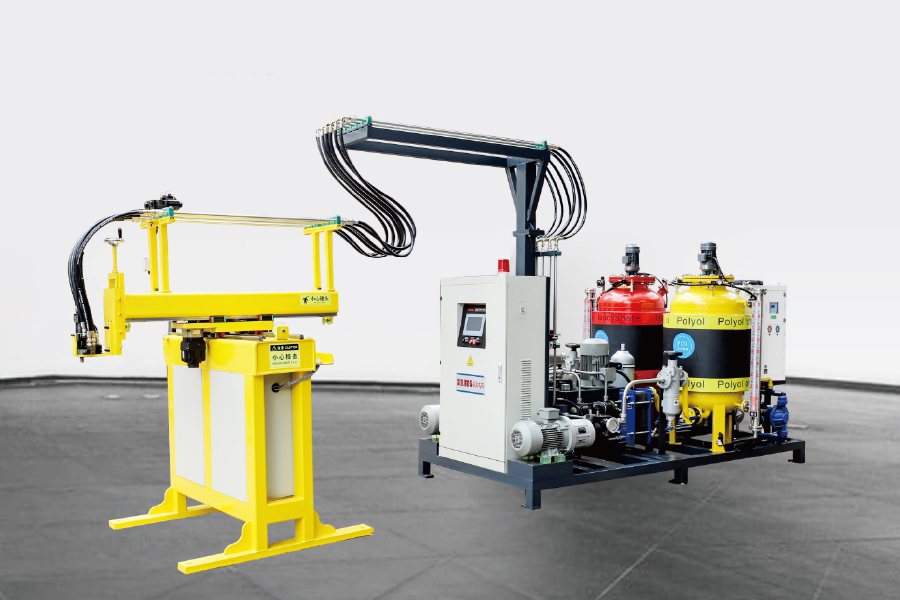
من خلال التحكم في محرك المؤازرة ، باستخدام معالج ثلاثي المحاور ، وبرمجة البرنامج ، والاندماج مع معدا...
انظر التفاصيل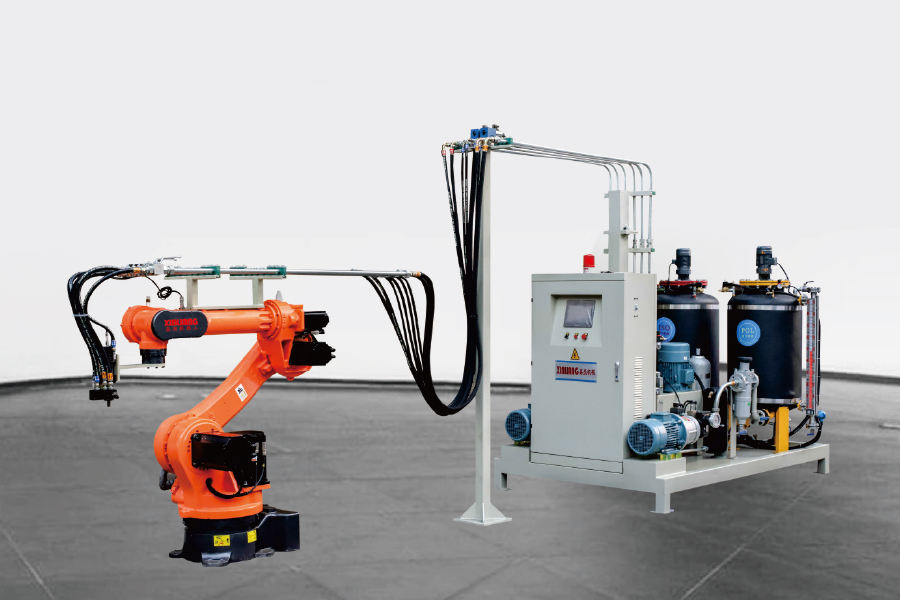
يمكن تخصيص العلامة التجارية الروبوت ، ويتم استخدام المعالج المكون من ستة محاور. إنه مناسب للجمع ب...
انظر التفاصيل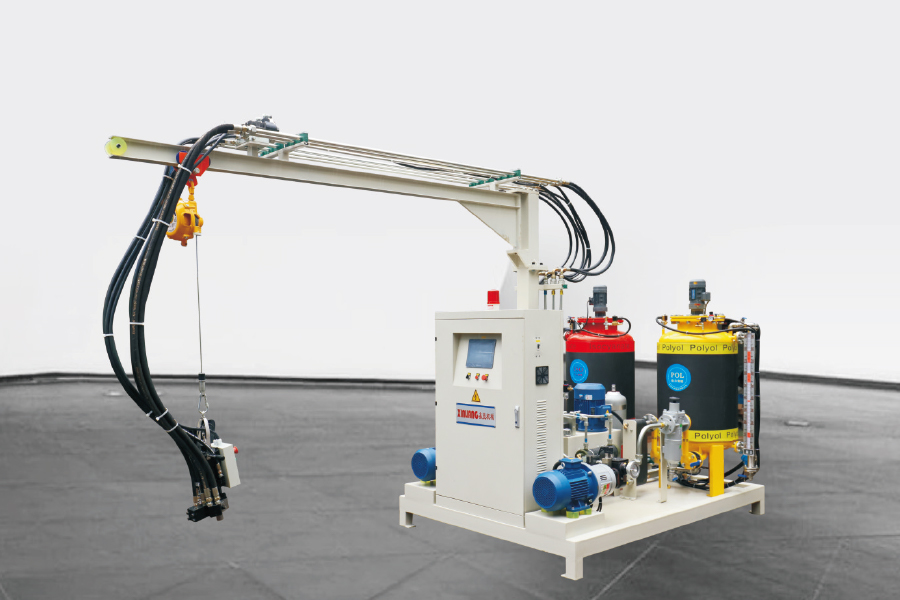
تستخدم آلة حقن البولي يوريثان عالية الضغط عالي الضغط ذراع الروك لحقن الدوران 180 درجة. يمكن تخصيص...
انظر التفاصيل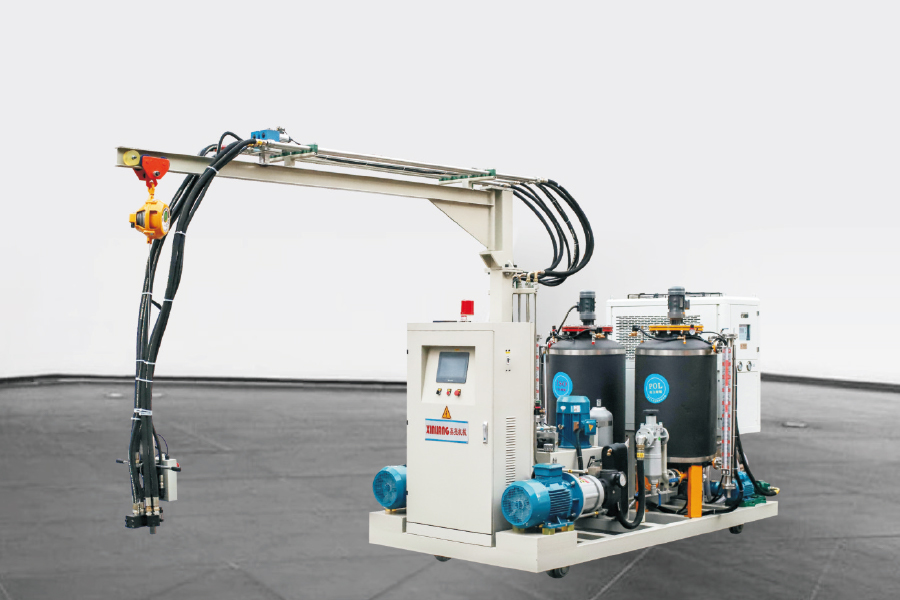
يحتوي آلة حقن الرغوة ذات الضغط العالي المكون من المكونات ذات المكون المكون مع المسار على نفس التك...
انظر التفاصيل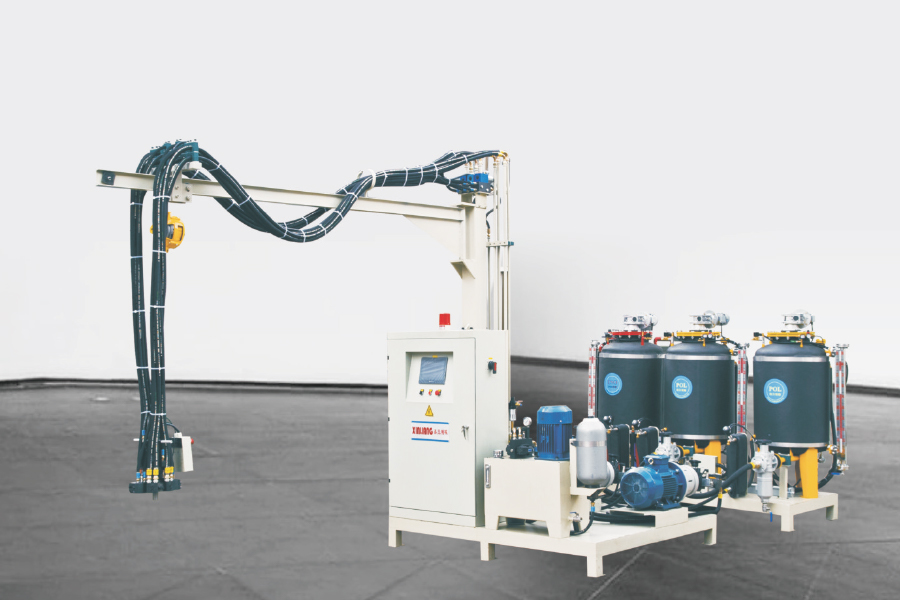
تحتوي آلة حقن الرغوة ذات الضغط العالي المكون من ثلاثة مكونات على خزان ISO 1 و 2 خزانات بولي. يمكن...
انظر التفاصيل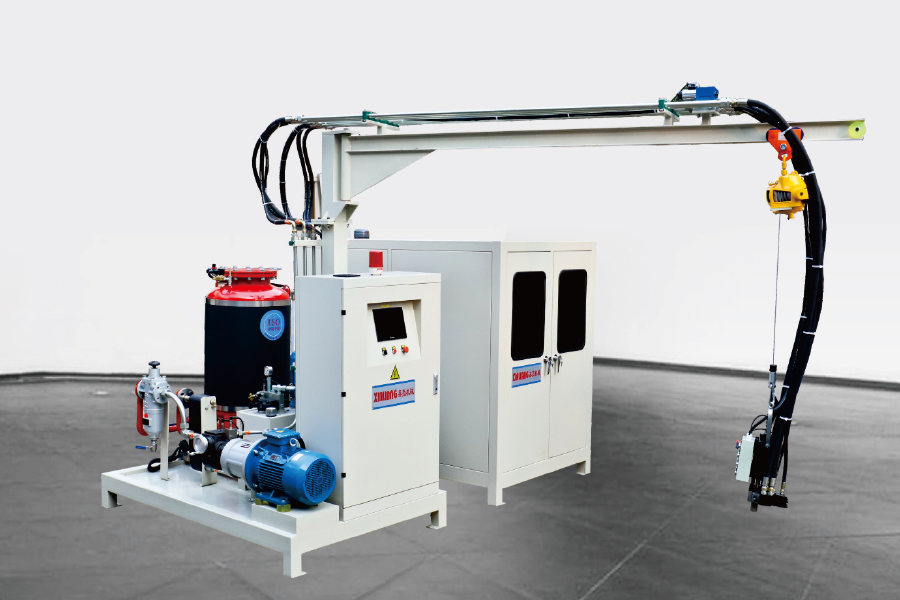
سيكلوبنتان البولي يوريثان ، آلة حقن الرغوة عالية الضغط يعني أن بولي يحتوي على السيكلوبنتان. المواد ا...
انظر التفاصيل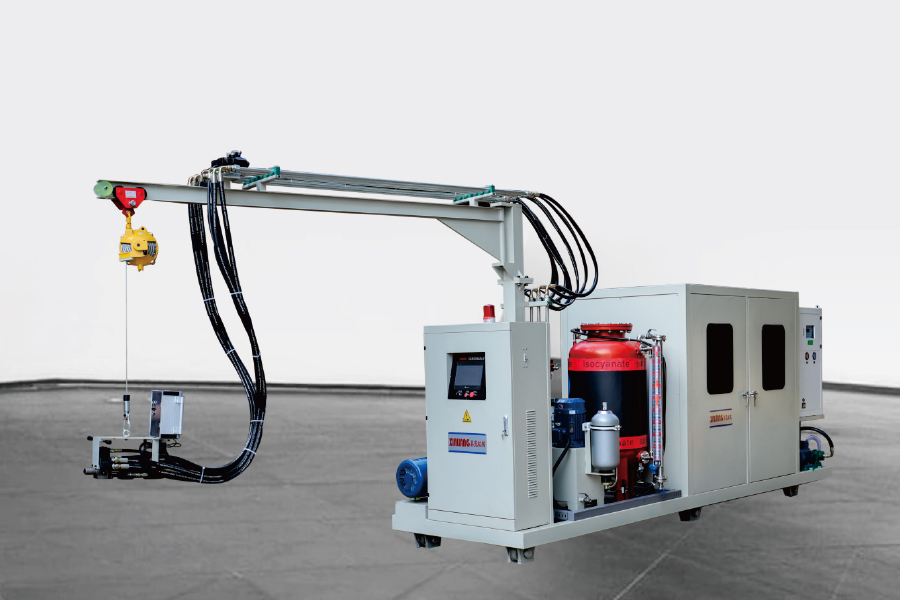
التكوين هو نفس آلة الرغوة ذات الضغط العالي السيكلوبنتان. الفرق الوحيد هو أنه بالنسبة لبعض مصانع العم...
انظر التفاصيل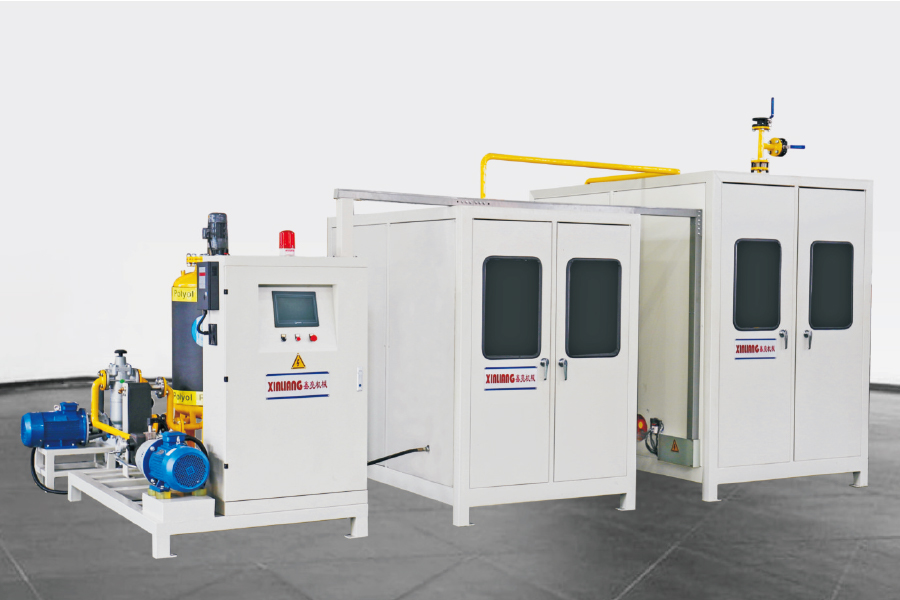
مبدأ العمل لنظام Cyclopentane Premixing قياس وخلط مختلف المواد الخام البولي يوريثان ، مثل الإيزوسيان...
انظر التفاصيل