

 English
 русский
 عربى
عربىتلتزم شركة شينليانغ للآلات دائمًا بفلسفة العمل "الإنسان أولاً، العميل أولاً، الإدارة النزيهة، والتعاون المربح للجميع".
من خلال التحكم في محرك المؤازرة ، باستخدام معالج ثلاثي المحاور ، وبرمجة البرنامج ، والاندماج مع معدا...
انظر التفاصيلالعيوب السبعة الأكثر شيوعًا في رغوة البولي يوريثان هي: الفراغات السطحية والثقوب، والانهيار أو الانكماش، وبنية الخلية غير المستوية، والتصفيح، وتغير اللون، وعدم تناسق الأبعاد، وضعف تكوين الجلد. ولكل عيب سبب جذري محدد - ويمكن تصحيح كل عيب من خلال تعديلات دقيقة على نسب المواد الخام، أو معلمات الماكينة، أو درجة حرارة القالب، أو ضغط الخلط. يغطي هذا الدليل جميع الحلول السبعة مع إصلاحات قابلة للتنفيذ مستمدة من بيئات الإنتاج الحقيقية باستخدام ماكينات رغوة البولي يوريثان ذات الضغط العالي والصف الصناعي معدات رغوة البولي يوريثان .
سواء كنت تعمل أ خط إنتاج رغوة PU بالنسبة للديكورات الداخلية للسيارات أو المراتب أو ألواح العزل أو معدات اللياقة البدنية، فإن التحكم في العيوب يحدد بشكل مباشر معدلات الإنتاج وكفاءة المواد ورضا العملاء. إن فهم أسباب كل مشكلة - وكيفية تفاعل إعدادات المعدات مع الكيمياء - هو أساس إنتاج الرغوة الموثوق به وعالي الجودة في أي مكان. تكنولوجيا عزل البولي يوريثين application.
محتوى
يتم إنتاج رغوة البولي يوريثان عن طريق تفاعل مكونات الإيزوسيانات والبوليول في ظل ظروف يتم التحكم فيها بدقة. تعتمد جودة الرغوة النهائية على سلسلة من المتغيرات المترابطة: درجة حرارة المواد الخام والرطوبة، وضغط الخلط ودقة النسبة، ودرجة حرارة القالب، ونمط الصب، وتوقيت القالب. يمكن أن يؤدي الانحراف في أي عامل منفرد إلى حدوث عيب واحد أو أكثر، ولهذا السبب يعد التشخيص المنهجي ضروريًا قبل تعديل أي معلمة.
تشير بيانات الصناعة من مرافق تصنيع رغوة البولي يوريثان إلى ذلك يمكن إرجاع ما يقرب من 68% من جميع عيوب الرغوة إلى ثلاثة أسباب رئيسية : نسبة مكونات غير صحيحة (31%)، عدم كفاية ضغط أو درجة حرارة الخلط (24%)، ورطوبة المواد الخام أو التلوث (13%). أما النسبة المتبقية البالغة 32% فتتعلق بقضايا تتعلق بالعفن، والظروف البيئية، وأخطاء تسلسل العمليات.
الشكل 1 - توزيع السبب الجذري لعيوب رغوة البولي يوريثان في بيئات الإنتاج الصناعي. تعتبر نسبة المكونات غير الصحيحة هي المساهم الأكبر، مما يؤكد سبب دقة القياس والتحكم في النسبة في آلة رغوة PU ذات الضغط العالي أمر بالغ الأهمية. تمثل الفئتان العلويتان معًا أكثر من نصف إجمالي حالات حدوث العيوب، مما يجعل معايرة الماكينة وصيانتها هي المنطقة ذات التأثير الأعلى لتحسين الجودة.
تظهر الفراغات السطحية والثقوب على شكل حفر صغيرة أو خلايا مفتوحة على سطح الرغوة، وتتراوح من المسام الدقيقة التي بالكاد يمكن رؤيتها إلى الحفر التي يبلغ حجمها 3-5 مم، مما يضر بالجودة الجمالية والوظيفية. وهذا من أكثر العيوب التي يتم الإبلاغ عنها بشكل متكرر آلة رغوة العزل PU العمليات والتأثيرات على التطبيقات بدءًا من الشرائط الزخرفية وحتى مساند رأس السيارات.
السبب الأساسي هو الغاز المحصور الذي لا يمكنه الهروب قبل أن يتماسك الجلد الرغوي . تشمل العوامل المساهمة ما يلي: الإفراط في عامل تحرير العفن (إنشاء حاجز يحبس الهواء)، ودرجة حرارة العفن منخفضة جدًا (يتشكل الجلد قبل أن ينتقل الغاز إلى خط الفراق)، ومحتوى الرطوبة في المواد الخام أعلى من الحدود المقبولة (> 0.05% من الماء في البوليول يمكن أن يولد فقاعات ثاني أكسيد الكربون)، وعدم كفاية تهوية العفن.
يحدث الانهيار مباشرة بعد العفن — حيث تفقد الرغوة ارتفاعها أو بنيتها خلال ثوانٍ إلى دقائق لأن جدران الخلايا لا يتم معالجتها بشكل كافٍ لدعم وزن الرغوة. الانكماش هو عملية أبطأ حيث تقل أبعاد الرغوة على مدار ساعات أو أيام مع عودة ضغط الغاز الداخلي إلى طبيعته. كلاهما يختلفان عن settage (مجموعة الضغط الدائم)، على الرغم من أنهما يشتركان في بعض الأسباب الجذرية.
يحدث الانهيار في أغلب الأحيان بسبب العفن المبكر، أو عدم كفاية المحفز، أو مؤشر الإيزوسيانات غير الصحيح. يجب أن يكون مؤشر الأيزوسيانات (نسبة NCO الفعلي إلى NCO النظري المطلوب) لمعظم أنظمة الرغاوي المرنة في حدود 100-115؛ القيم الأقل من 95 تترك عددًا كبيرًا جدًا من سلاسل البوليول غير المتفاعلة، مما ينتج عنه شبكة ضعيفة تنهار تحت ثقلها. في رغوة جامدة ل تصنيع العزل الحراري و رغوة عازلة موفرة للطاقة التطبيقات، فهرس أقل من 105 هو سبب انهيار متكرر.
تؤثر بنية الخلية غير المتساوية - التي تظهر كمناطق من الخلايا الخشنة والمفتوحة جنبًا إلى جنب مع مناطق الخلايا الدقيقة والمغلقة داخل نفس جزء الرغوة - بشكل مباشر على الخواص الميكانيكية بما في ذلك قوة الشد، والاستطالة، وانحراف حمل الضغط. في رغوة عازلة لبطارية EV و رغوة السيارات خفيفة الوزن التطبيقات، يعد توحيد الخلايا أمرًا بالغ الأهمية بشكل خاص لأنه يحكم كلاً من المقاومة الحرارية وأداء تخميد الاهتزاز.
السبب الرئيسي هو عدم كفاية الخلط في رأس الخلط لمعدات حقن رغوة PU . عند ضغوط خلط أقل من 120 بار، يصبح خلط الاصطدام المضطرب - الآلية التي من خلالها تحقق آلات الضغط العالي خلطًا متجانسًا - غير كاف. والنتيجة هي خطوط من المواد المخلوطة بشكل سيئ مع تفاعل مختلف وبنية الخلية.
الشكل 2 - العلاقة بين ضغط رأس الخلط ومؤشر تجانس الخلية في إنتاج رغوة البولي يوريثان ذات الضغط العالي. أقل من 120 بار، ينخفض التجانس بشكل حاد، مما يؤكد أن ضغط الاصطدام المناسب هو متغير التحكم الأساسي لبنية الخلية المتسقة. فوق 150 بار، تكون المكاسب الإضافية تدريجية - مما يعني أن نطاق 120-160 بار يمثل نافذة التشغيل العملية لمعظم آلة رغوة PU الصناعية التطبيقات. تعد المحافظة على نافذة الضغط هذه من خلال الفحص الدوري للمضخة والفوهة من مهام الصيانة الوقائية الأساسية.
بالإضافة إلى ضغط الخلط، تؤثر درجة حرارة المادة على اللزوجة وبالتالي جودة الخلط. ينبغي الحفاظ على مكونات البوليول عند درجة حرارة 20-25 درجة مئوية؛ تتطلب اللزوجة الأعلى عند درجات الحرارة المنخفضة ضغطًا أعلى لتحقيق كثافة خلط مكافئة. إنتاج الرغوة الذكية يمكن للأنظمة التي تتضمن مراقبة درجة الحرارة المضمنة أن تعوض تلقائيًا عن طريق ضبط معدلات التدفق عندما تنحرف درجة حرارة المادة خارج النطاق المستهدف.
يعد التصفيح - فصل الرغوة عن الحشوة أو الجلد أو الركيزة - أحد أوضاع الفشل الحرجة في أجزاء البولي يوريثان المركبة مثل مقاعد السيارة ومساند الرأس والألواح العازلة. في تطبيقات البولي يوريثين EV حيث يجب أن تحافظ الرغوة على التصاق ثابت بمواد غلاف البطارية عبر دورات درجات الحرارة الواسعة، فإن التصفيح يعد مصدر قلق كبير للجودة والسلامة.
ترتبط أسباب التصفيح عمومًا بالسطح: تلوث الركيزة (الزيوت، الرطوبة، الغبار)، عدم كفاية محفز الالتصاق، مادة الركيزة غير المتوافقة، أو كيمياء نظام الرغوة غير المتطابقة مع طاقة سطح الركيزة. حتى بصمة الإصبع الموجودة على سطح الإدخال يمكن أن تقلل من قوة الالتصاق بنسبة 30-40% في الأنظمة الحساسة.
يأخذ تغير اللون في رغوة البولي يوريثان شكلين أساسيين: اصفرار الرغوة ذات اللون الفاتح أو الأبيض بعد وقت قصير من الإنتاج، والخطوط الداكنة أو البنية الموضعية داخل كتلة الرغوة. ولكل منهما أسباب مختلفة ويتطلب أساليب تصحيحية مختلفة.
يحدث الاصفرار في المقام الأول بسبب التعرض للأشعة فوق البنفسجية أو الأكسدة الحرارية أو استخدام الأيزوسيانات العطرية في التطبيقات التي تتطلب ثبات اللون. من المعروف أن MDI وTDI العطريين يتحولان إلى اللون الأصفر بسرعة عند التعرض للأشعة فوق البنفسجية - بالنسبة للأجزاء المرئية التي تتطلب ثبات اللون على المدى الطويل، يجب استخدام الأيزوسيانات الأليفاتية (HDI، IPDI). تشير الخطوط الداكنة الموجودة داخل جسم الرغوة عادةً إلى ارتفاع درجة الحرارة الموضعي الناتج عن نظام محفز مفرط التفاعل أو عدم توزيع الحرارة بشكل كافٍ أثناء التفاعل.
يعد عدم اتساق الأبعاد - حيث تختلف أجزاء الرغوة من نفس القالب في الارتفاع أو العرض أو الكثافة بين اللقطات - بمثابة مشكلة في كفاءة الإنتاج والجودة والتي تصبح مكلفة بشكل متزايد على نطاق واسع. يؤدي التباين بنسبة 5% في كثافة الرغوة عبر الدفعة مباشرةً إلى إهدار المواد الخام وأداء المنتج غير المتسق. ل آلة الرغوة الأوتوماتيكية العمليات التي تنتج مئات الأجزاء في كل وردية عمل، حتى التناقضات الصغيرة تتراكم وتؤدي إلى معدلات خردة كبيرة.
الشكل 3 - متوسط تغير كثافة الرغوة المنسوب إلى ستة عوامل عملية في إنتاج رغوة البولي يوريثان الصناعية. ينتج انحراف نسبة المكونات أعلى تباين بنسبة 7.2%، مما يعزز أن القياس الدقيق هو نقطة التحكم الأكثر أهمية في أي ماكينة حقن الرغوة PU . تعد درجة حرارة المواد والعفن ثاني وثالث أهم المساهمين - وكلاهما يمكن التحكم فيه بدرجة عالية باستخدام الأجهزة الحديثة آلة الرغوة الأوتوماتيكية الضوابط التي تتضمن تنظيم درجة الحرارة ذات الحلقة المغلقة والتحقق المستمر من النسبة.
يتطلب تصحيح عدم تناسق الأبعاد اتباع نهج منهجي. ابدأ بتسجيل قياسات الكثافة لقطة تلو الأخرى على مدار 50 جزءًا لتحديد ما إذا كان الاختلاف عشوائيًا (مما يشير إلى متغير عملية عشوائي مثل تقلب درجات الحرارة) أو منهجي (الانجراف في اتجاه واحد، مما يشير إلى تآكل المضخة أو انجراف المعايرة). صناعة 4.0 أنظمة البولي يوريثين ومن خلال تسجيل بيانات العملية في الوقت الفعلي، أصبح هذا التحليل واضحًا ومباشرًا ويقلل بشكل كبير من الوقت اللازم للوصول إلى السبب الجذري.
يحدد الجلد الرغوي — الطبقة الخارجية الكثيفة التي تتشكل على سطح القالب — مظهر الجزء وجودة اللمس ومقاومة التآكل. تظهر البشرة الضعيفة على شكل خشونة، أو مناطق جلدية رقيقة أو غائبة، أو ملمس سطحي طباشيري ناعم. بالنسبة للديكورات الداخلية للسيارات وأغطية المراتب ومكونات معدات اللياقة البدنية، فإن جودة الجلد لا تقل أهمية عن خصائص الرغوة الكبيرة.
يتم التحكم في جودة الجلد بشكل أساسي من خلال درجة حرارة سطح القالب وحزمة المواد الخافضة للتوتر السطحي لنظام الرغوة. تتسبب درجات حرارة العفن التي تقل عن 35 درجة مئوية في تكوين الجلد بسرعة كبيرة وكثافته قبل أن تملأ الرغوة القالب بالكامل، مما يؤدي إلى ظهور بقع باردة وملمس خشن. درجات حرارة العفن التي تزيد عن 60 درجة مئوية في معظم الأنظمة المرنة تسمح للجلد بالبقاء سائلًا لفترة طويلة جدًا، مما يؤدي إلى ترقق الجلد وربما يسبب مسامية السطح.
إن فهم العيوب الأكثر شيوعًا والتي لها التأثير الأكبر على كفاءة الإنتاج وجودة المنتج يساعد الفرق على تحديد أولويات جهود مراقبة الجودة الخاصة بهم. يلخص الجدول والمخطط أدناه العيوب السبعة التي يغطيها هذا الدليل عبر ثلاثة أبعاد حاسمة.
| عيب | تردد الحدوث | التأثير على الجودة | متغير التحكم الأساسي | صعوبة التصحيح |
|---|---|---|---|---|
| الفراغات السطحية / الثقوب | عالية جدًا | متوسط | درجة حرارة العفن والتهوية | منخفض |
| انهيار / انكماش | عالية | عالية | مؤشر الإيزوسيانات والمحفز | متوسط |
| بنية الخلية غير المتكافئة | عالية | عالية | خلط الضغط | منخفض–Medium |
| التصفيح | متوسط | عالية جدًا | تحضير السطح والكيمياء | متوسط |
| تغير اللون | متوسط | متوسط | نوع الأيزوسيانات والتعرض للأشعة فوق البنفسجية | منخفض |
| عدم تناسق الأبعاد | عالية | عالية | نسبة المكونات ودرجة الحرارة | متوسط–High |
| ضعف تكوين الجلد | متوسط | متوسط–High | درجة حرارة العفن والفاعل بالسطح | منخفض–Medium |
الشكل 4 - مخطط راداري يسجل سبعة عيوب في رغوة البولي يوريثان من خلال تأثيرها المشترك على جودة المنتج وكفاءة الإنتاج (المقياس: 1-10). يسجل التصفيح أعلى درجة عند 10 لأنه عادةً ما يتسبب في رفض الجزء بالكامل مع عدم وجود خيار لإعادة العمل. يتبع الانهيار وعدم تناسق الأبعاد الرقمين 9 و8 على التوالي. يوضح شكل الرادار أنه لا يوجد عيب واحد يهيمن على جميع الأبعاد - يجب أن يعالج برنامج الجودة الشامل جميع الأبعاد السبعة لتحقيق عوائد إنتاج متسقة على مستوى خط إنتاج رغوة البولي يوريثان .
يمكن الوقاية من العديد من العيوب المذكورة أعلاه من خلال تصميم المعدات بدلاً من تعديل العملية. محددة جيدا آلة رغوة البولي يوريثان ذات الضغط العالي أو نظام رغوة PU التلقائي يتضمن ميزات تعالج الأسباب الجذرية لكل فئة من فئات العيوب بشكل استباقي.
Ningbo Xinliang Machinery Co., Ltd. تصمم وتصنع ماكينات حقن رغوة البولي يوريثان بالضغط العالي و complete خطوط إنتاج رغوة البولي يوريثان التي تضم كل هذه الميزات. مع أكثر من عشر سنوات من الخبرة المستمرة في مجال البحث والتطوير والإنتاج، تتوافق أنظمة Xinliang مع 141B وF11 ورغوة الماء وطرق رغوة السيكلوبنتين، وتغطي التطبيقات بدءًا من التصميمات الداخلية للسيارات ومقاعد السيارات وحتى المراتب ومعدات اللياقة البدنية، رغوة عازلة لبطارية EV . كمصنع متخصص ومورد OEM، توفر Xinliang دعمًا فنيًا شاملاً بدءًا من الاستشارة وحتى التشغيل وخدمة ما بعد البيع.
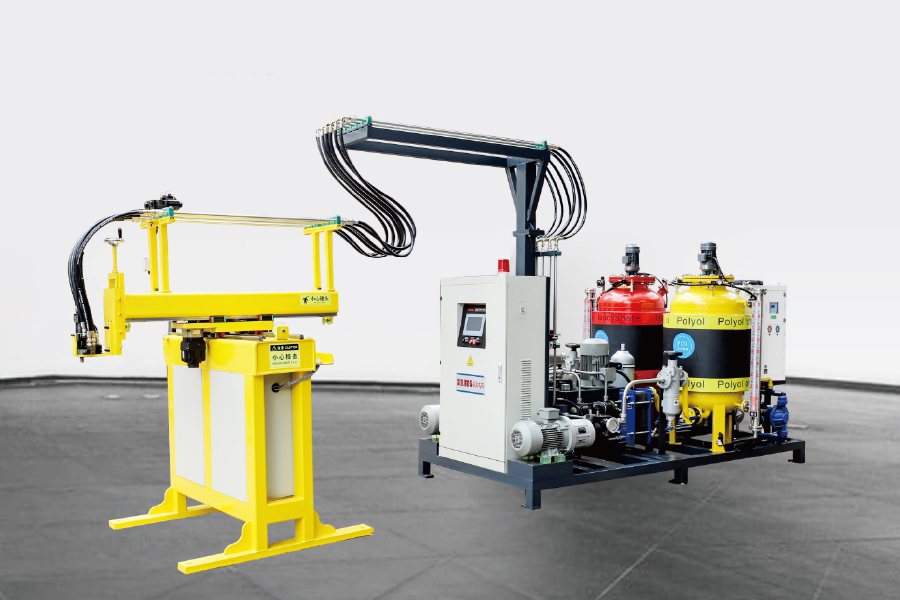
من خلال التحكم في محرك المؤازرة ، باستخدام معالج ثلاثي المحاور ، وبرمجة البرنامج ، والاندماج مع معدا...
انظر التفاصيل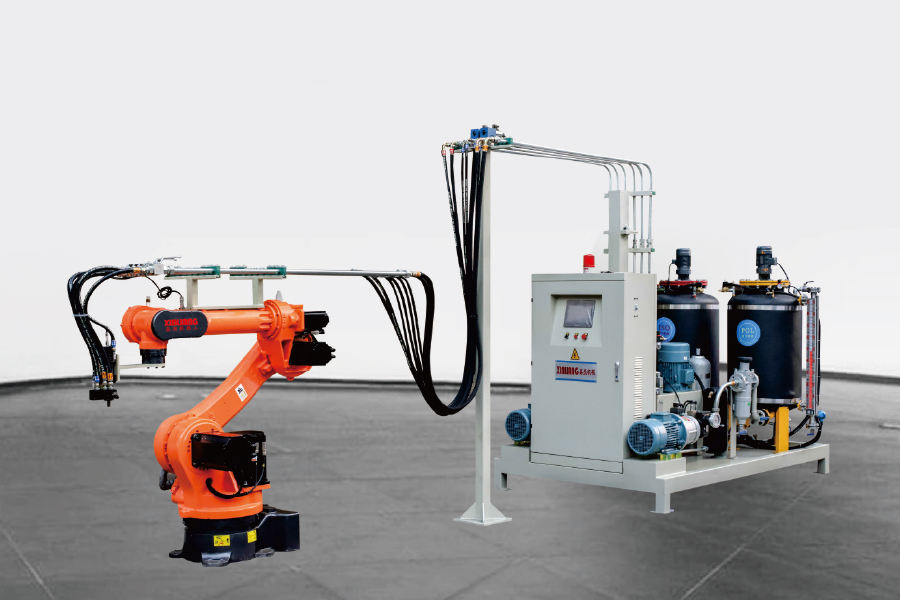
يمكن تخصيص العلامة التجارية الروبوت ، ويتم استخدام المعالج المكون من ستة محاور. إنه مناسب للجمع ب...
انظر التفاصيل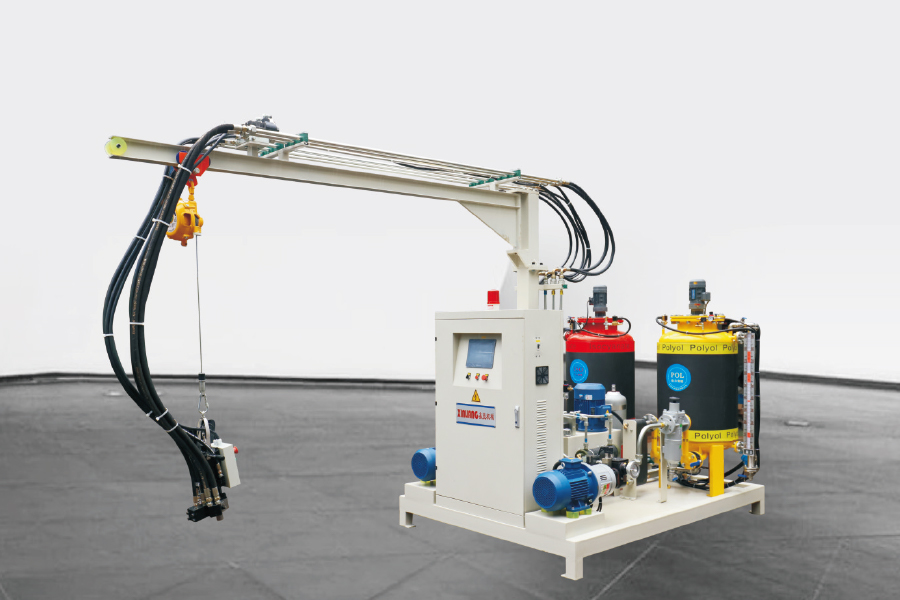
تستخدم آلة حقن البولي يوريثان عالية الضغط عالي الضغط ذراع الروك لحقن الدوران 180 درجة. يمكن تخصيص...
انظر التفاصيل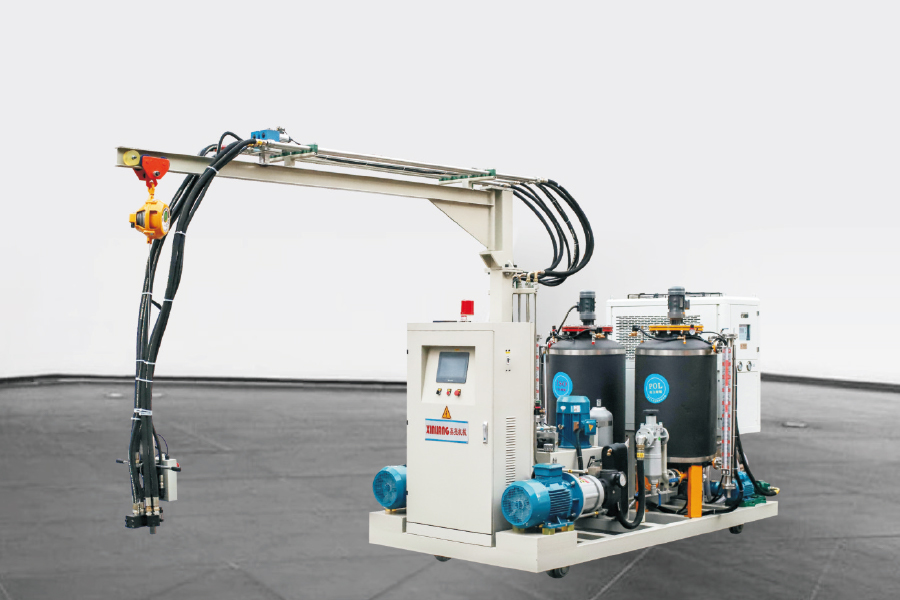
يحتوي آلة حقن الرغوة ذات الضغط العالي المكون من المكونات ذات المكون المكون مع المسار على نفس التك...
انظر التفاصيل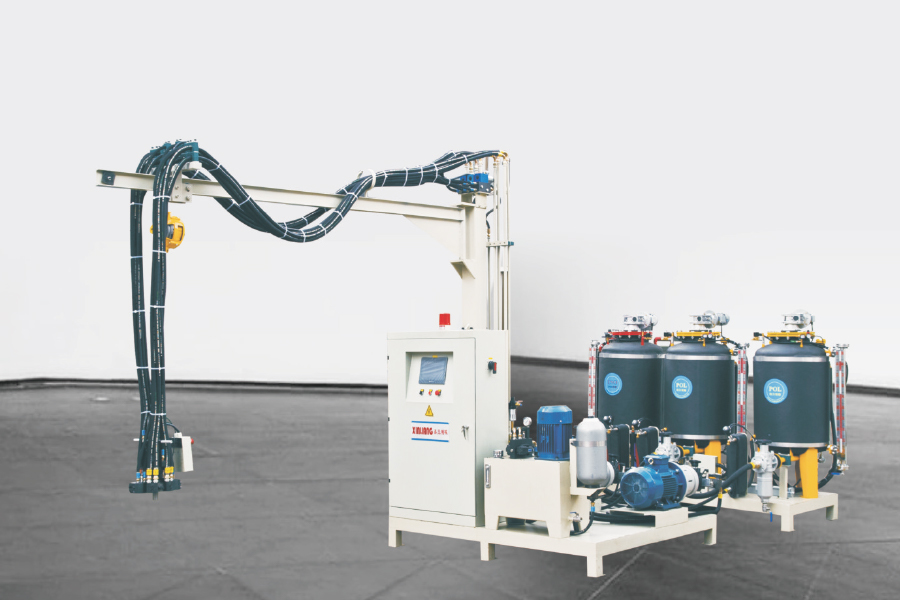
تحتوي آلة حقن الرغوة ذات الضغط العالي المكون من ثلاثة مكونات على خزان ISO 1 و 2 خزانات بولي. يمكن...
انظر التفاصيل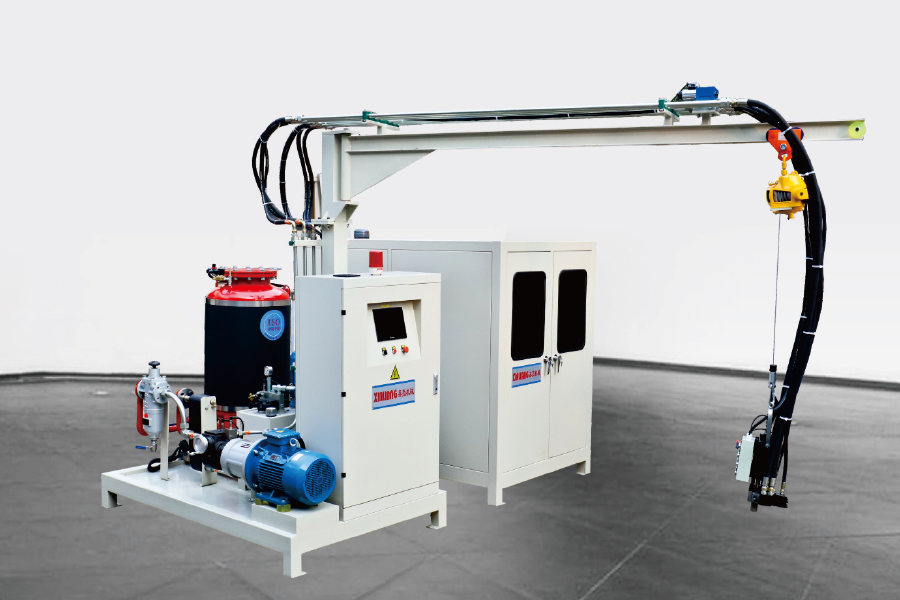
سيكلوبنتان البولي يوريثان ، آلة حقن الرغوة عالية الضغط يعني أن بولي يحتوي على السيكلوبنتان. المواد ا...
انظر التفاصيل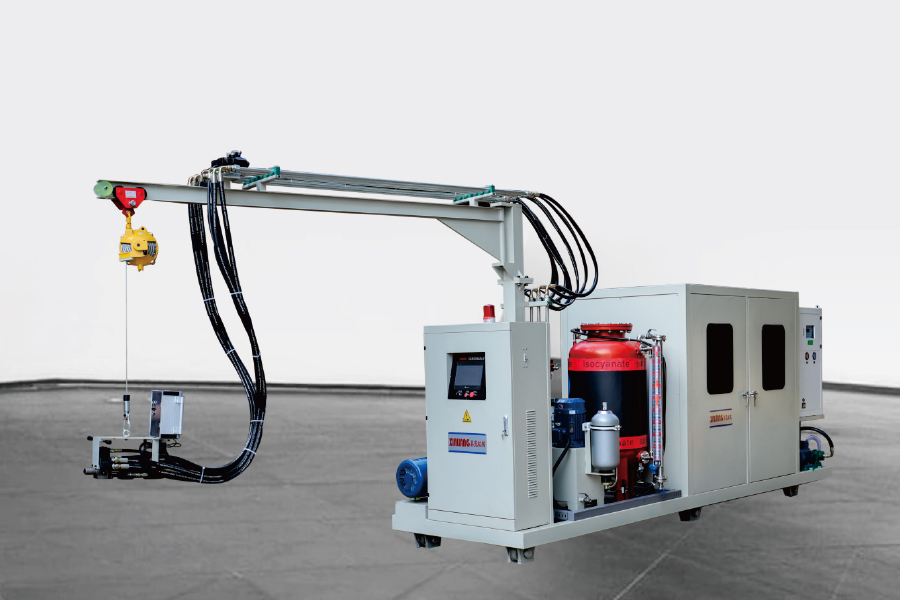
التكوين هو نفس آلة الرغوة ذات الضغط العالي السيكلوبنتان. الفرق الوحيد هو أنه بالنسبة لبعض مصانع العم...
انظر التفاصيل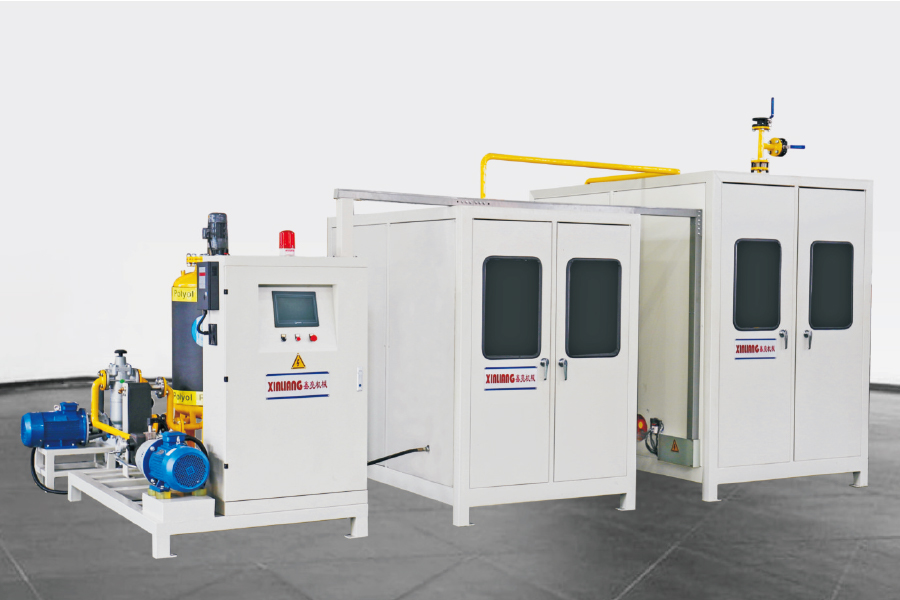
مبدأ العمل لنظام Cyclopentane Premixing قياس وخلط مختلف المواد الخام البولي يوريثان ، مثل الإيزوسيان...
انظر التفاصيل