

 English
 русский
 عربى
عربىتلتزم شركة شينليانغ للآلات دائمًا بفلسفة العمل "الإنسان أولاً، العميل أولاً، الإدارة النزيهة، والتعاون المربح للجميع".
من خلال التحكم في محرك المؤازرة ، باستخدام معالج ثلاثي المحاور ، وبرمجة البرنامج ، والاندماج مع معدا...
انظر التفاصيلReducing material waste by 30% in PU foam injection processes is achievable — and the results below prove it. The key lies in optimizing your Polyurethane High Pressure Foaming Injection Machine parameters, upgrading metering accuracy, and implementing real-time process monitoring. Manufacturers who combine precise mixing ratios, mold temperature control, and systematic operator training consistently report waste reductions between 25% and 35% within 6 to 12 months.
This guide covers every practical lever you can pull — from machine calibration to process audits — so you can stop losing raw material and start protecting your margins.
محتوى
Polyurethane raw materials — polyol and isocyanate — are among the most expensive inputs in foam manufacturing. Even a 2% to 5% over-dispensing rate per shot can compound into tens of thousands of dollars in annual waste for a mid-size operation running multiple shifts.
Common sources of waste in PU foam injection include:
A structured approach to each of these categories is what separates high-efficiency plants from average ones.
The single highest-impact improvement you can make is tightening metering precision. Modern High Pressure PU Foaming Machines use gear pumps or piston pumps with servo-controlled drives. Upgrading from older volumetric metering to mass-flow metering can reduce ratio error from ±3% down to ±0.5% or better.
| Metering System Type | Typical Ratio Accuracy | Estimated Annual Waste Reduction |
|---|---|---|
| Standard volumetric pump | ±2% – ±4% | Baseline |
| Servo-driven gear pump | ±1% – ±2% | 8% – 12% |
| Mass-flow metering (Coriolis) | ±0.3% – ±0.5% | 18% – 25% |
Defective parts are 100% waste. In PU foam injection molding, the majority of defects trace back to two variables: mold surface temperature and internal cavity pressure. Both must be tightly controlled throughout the production run.
Recommended operating windows for rigid foam applications:
Plants that introduced closed-loop mold temperature control reported a defect rate drop from 6.8% to 1.2% — translating directly into a 5.6-percentage-point reduction in scrapped material.
Defect Rate Before vs. After Mold Temperature Control
Reduction: 5.6 percentage points
Equivalent to ~82% fewer scrapped parts
Source: Industry case data from rigid PU foam panel production lines
Purge waste is one of the most overlooked cost centers in any operation using Polyurethane Foam Injection Equipment. Every startup cycle, color/formulation changeover, and end-of-shift flush ejects material that could otherwise produce parts.
A refrigerator panel manufacturer in Zhejiang reduced daily purge loss from 18 kg to 7 kg per machine per shift after implementing pre-heat scheduling and recirculation protocols — a saving of over 3,000 kg annually per line.
You cannot manage what you do not measure. Statistical Process Control (SPC) applied to foam injection gives operators and engineers the visibility to catch drift before it becomes defective product.
Key parameters to monitor in real time on a Polyurethane High Pressure Foaming Injection Machine:
Shot Weight Consistency — Before and After SPC Implementation
Illustration: Shot weight variance narrows significantly after SPC protocols are implemented
Plants using digital SPC dashboards connected to their High Pressure PU Foaming Machine controllers report identifying out-of-spec trends 3 to 5 shifts earlier than plants relying on end-of-line inspection alone — preventing entire production batches from becoming scrap.
Equipment age and design directly affect how much material you waste. Older machines with worn seals, slow valve responses, or imprecise pressure regulators create variability that no amount of operator training can fully compensate for.
Investing in a modern PU High Pressure Casting Machine with these features typically delivers ROI within 12 to 24 months through material savings alone, excluding quality and productivity gains.
Technology alone does not eliminate waste — operators do. A well-configured Polyurethane Foam Injection Equipment system can still generate excessive waste if operators lack proper training on startup procedures, fault response, and material handling.
One European white goods manufacturer documented a 22% reduction in per-shift waste within 3 months of structured operator retraining — without changing any hardware.
Before making any changes, quantify where your waste actually comes from. Many operations discover that 60% or more of their total material waste originates from just 2 or 3 specific root causes — making targeted intervention far more effective than broad process changes.
| Waste Source | Typical Share of Total Waste | Reduction Difficulty |
|---|---|---|
| Metering inaccuracy (overfill) | 30% – 40% | Medium (calibration + equipment) |
| Purge and flush losses | 20% – 30% | Low (procedure changes) |
| Defective parts (scrapped) | 20% – 35% | Medium-High (process control) |
| Material degradation (downtime) | 5% – 15% | Low (maintenance scheduling) |
Ningbo Xinliang Machinery Co., Ltd. is an enterprise combining industry and trade, dedicated to producing polyurethane foaming equipment, polyurethane foaming production lines, and cyclopentane polyurethane foaming complete equipment. We are a professional high-tech enterprise specializing in polyurethane foaming equipment research and development, manufacturing, and technical services.
Our R&D team brings more than ten years of professional design experience and is well-versed in the advanced technology of polyurethane foaming equipment from both domestic and international sources. As a professional Custom Polyurethane High Pressure Foaming Injection Machine Supplier and OEM Polyurethane High Pressure Foaming Injection Machine Company, we rely on Zhejiang's strong industrial foundation and favorable location advantages.
Guided by the principle of "scientific and technological innovation, the pursuit of specialization," Xinliang Machinery focuses on providing customized solutions for users across the polyurethane industry — from single-machine supply to complete foaming line integration.
10+
Years R&D Experience
Custom
OEM & ODM Solutions
Full-Line
PU Foaming Systems
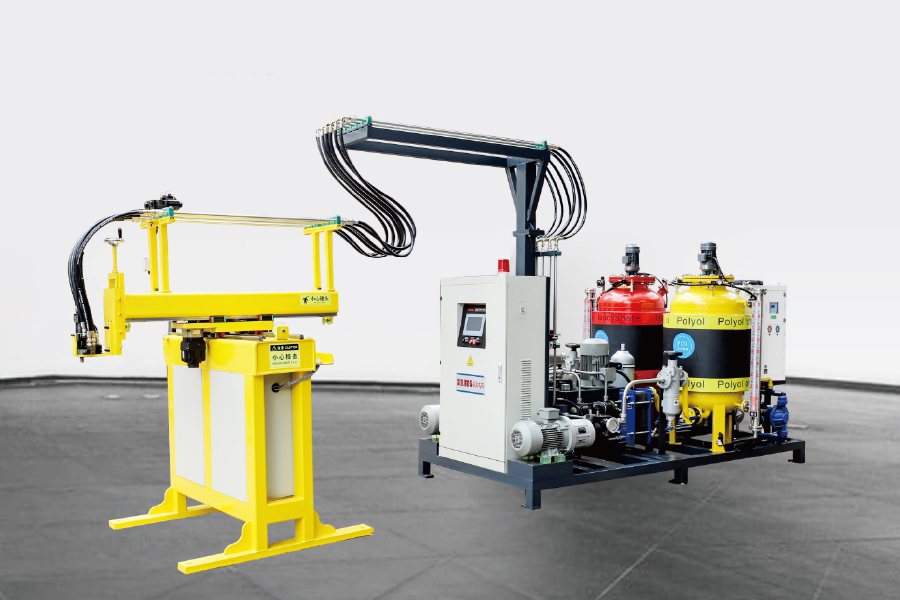
من خلال التحكم في محرك المؤازرة ، باستخدام معالج ثلاثي المحاور ، وبرمجة البرنامج ، والاندماج مع معدا...
انظر التفاصيل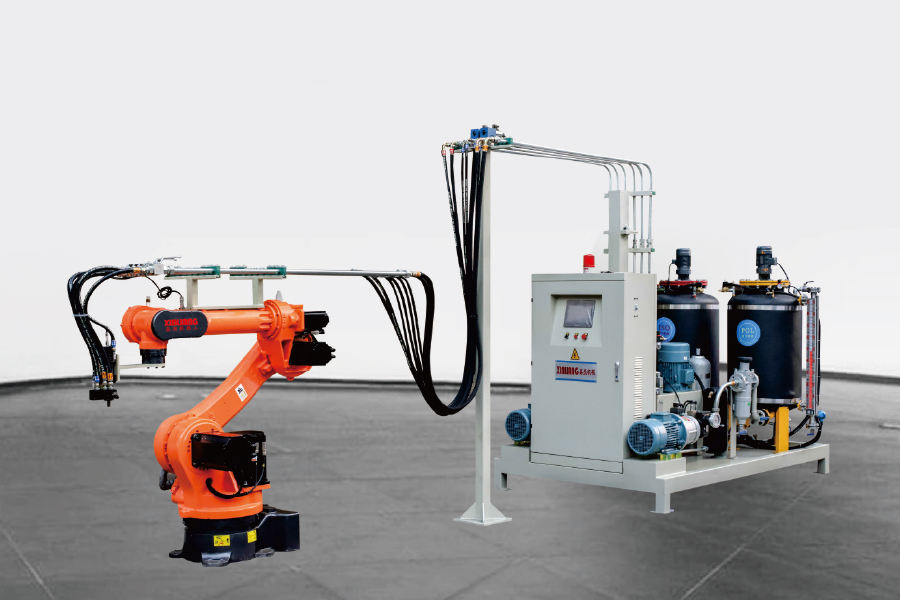
يمكن تخصيص العلامة التجارية الروبوت ، ويتم استخدام المعالج المكون من ستة محاور. إنه مناسب للجمع ب...
انظر التفاصيل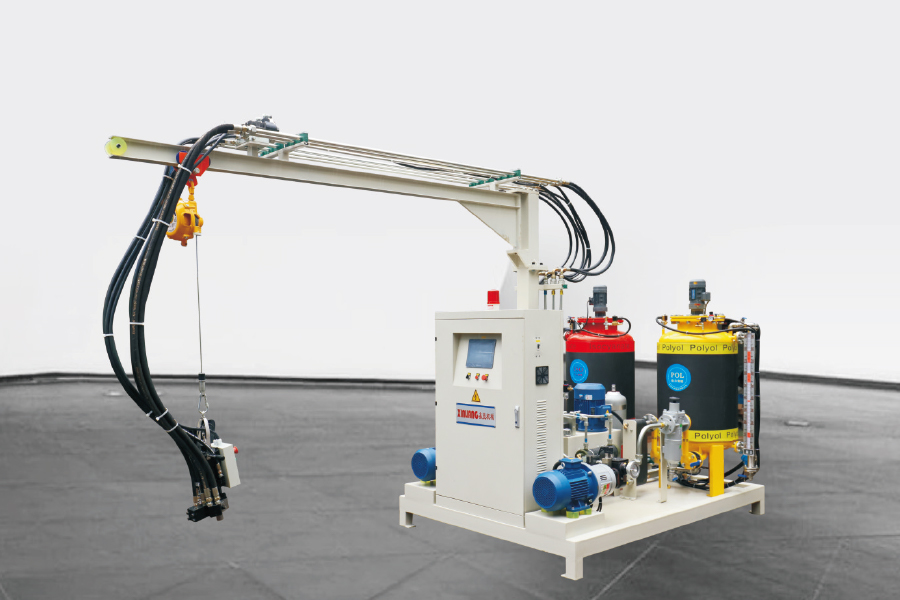
تستخدم آلة حقن البولي يوريثان عالية الضغط عالي الضغط ذراع الروك لحقن الدوران 180 درجة. يمكن تخصيص...
انظر التفاصيل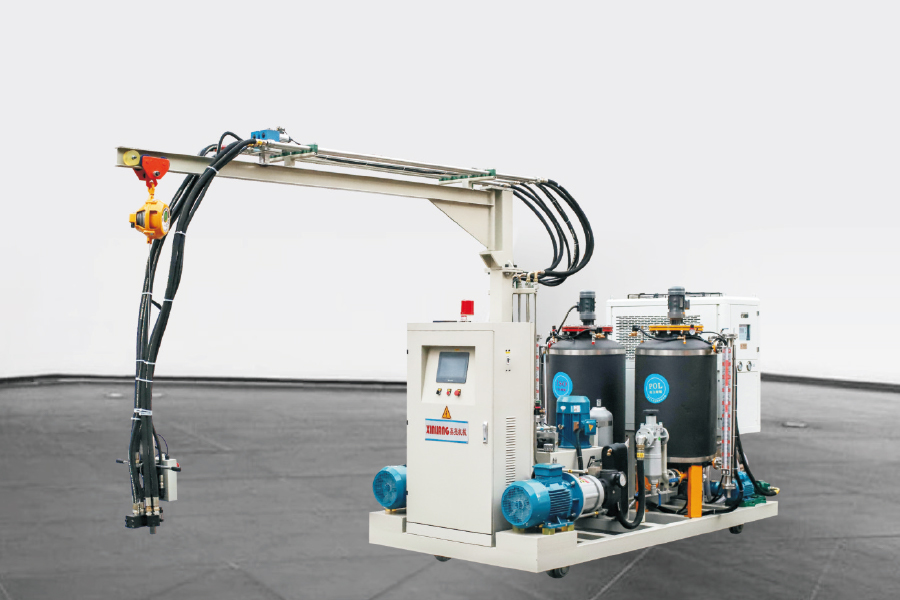
يحتوي آلة حقن الرغوة ذات الضغط العالي المكون من المكونات ذات المكون المكون مع المسار على نفس التك...
انظر التفاصيل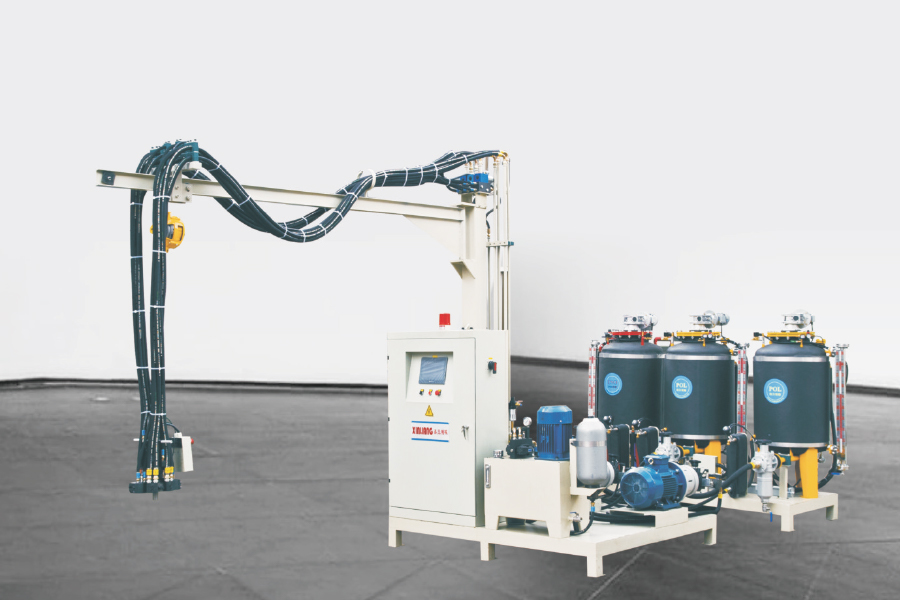
تحتوي آلة حقن الرغوة ذات الضغط العالي المكون من ثلاثة مكونات على خزان ISO 1 و 2 خزانات بولي. يمكن...
انظر التفاصيل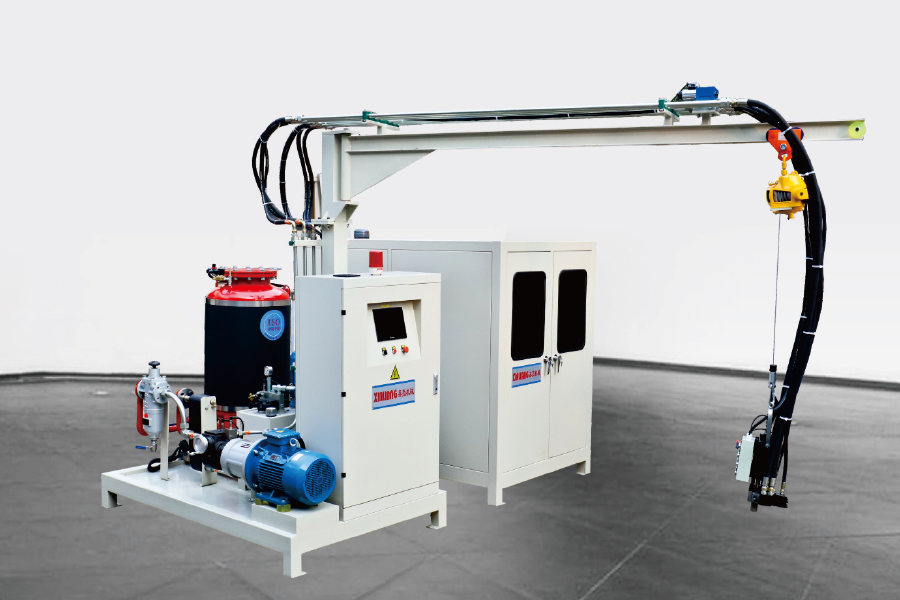
سيكلوبنتان البولي يوريثان ، آلة حقن الرغوة عالية الضغط يعني أن بولي يحتوي على السيكلوبنتان. المواد ا...
انظر التفاصيل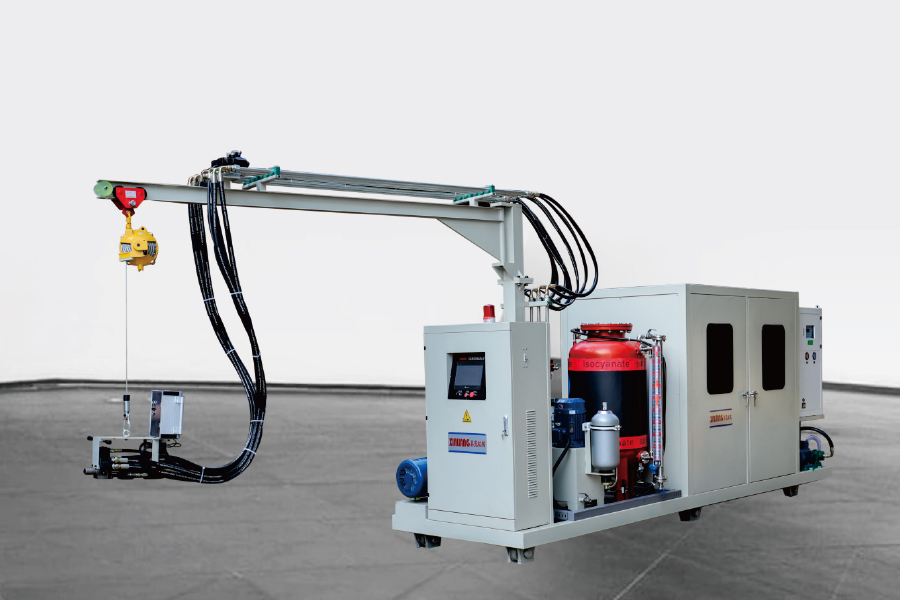
التكوين هو نفس آلة الرغوة ذات الضغط العالي السيكلوبنتان. الفرق الوحيد هو أنه بالنسبة لبعض مصانع العم...
انظر التفاصيل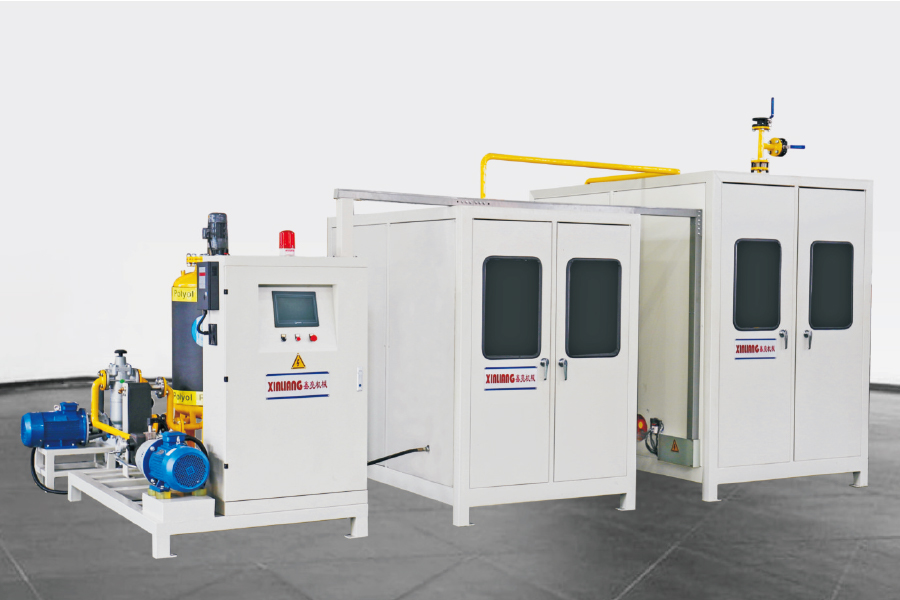
مبدأ العمل لنظام Cyclopentane Premixing قياس وخلط مختلف المواد الخام البولي يوريثان ، مثل الإيزوسيان...
انظر التفاصيل